The Modern Safari: How to Style Natural Textures in a South African Home
South African interiors are entering a new era. The visual language of safari design has shifted away from overt themes and decorative motifs, moving instead toward a more refined, design-led aesthetic known as Modern Safari. Rooted in texture, material honesty, and calm neutrality, this style reflects both global quiet-luxury trends and the realities of South African living.
At the heart of this evolution are organic fibre rugs — no longer rustic or utilitarian, but architectural, versatile, and deeply sophisticated.
From Curio to Contemporary: Redefining Safari Style
Traditional safari décor often relied on strong visual cues — animal prints, themed accessories, and heavy ornamentation. Modern safari interiors take a very different approach. Instead of referencing wildlife directly, they draw inspiration from the landscape itself: dry grasses, stone, leather, timber, and woven fibres.
The result is a space that feels grounded and authentic, without feeling literal or dated. This is where natural textures become essential — and where organic fibre rugs provide the perfect foundation.
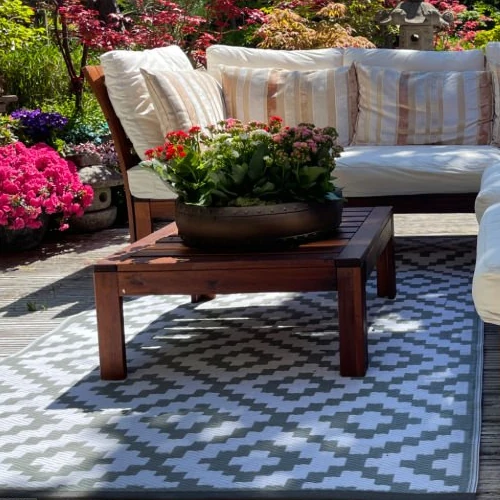
Styling Sisal and Jute Rugs with Modern South African Furniture
One of the most effective ways to elevate organic fibre rugs is through contrast. Clean-lined, contemporary furniture allows the texture of the rug to stand out without overwhelming the space.
Natural fibre rugs pair exceptionally well with:
- Dark or smoked wood furniture
- Leather seating in tan, saddle, or espresso tones
- Matte black or aged brass detailing
- Low-profile sofas and sculptural forms
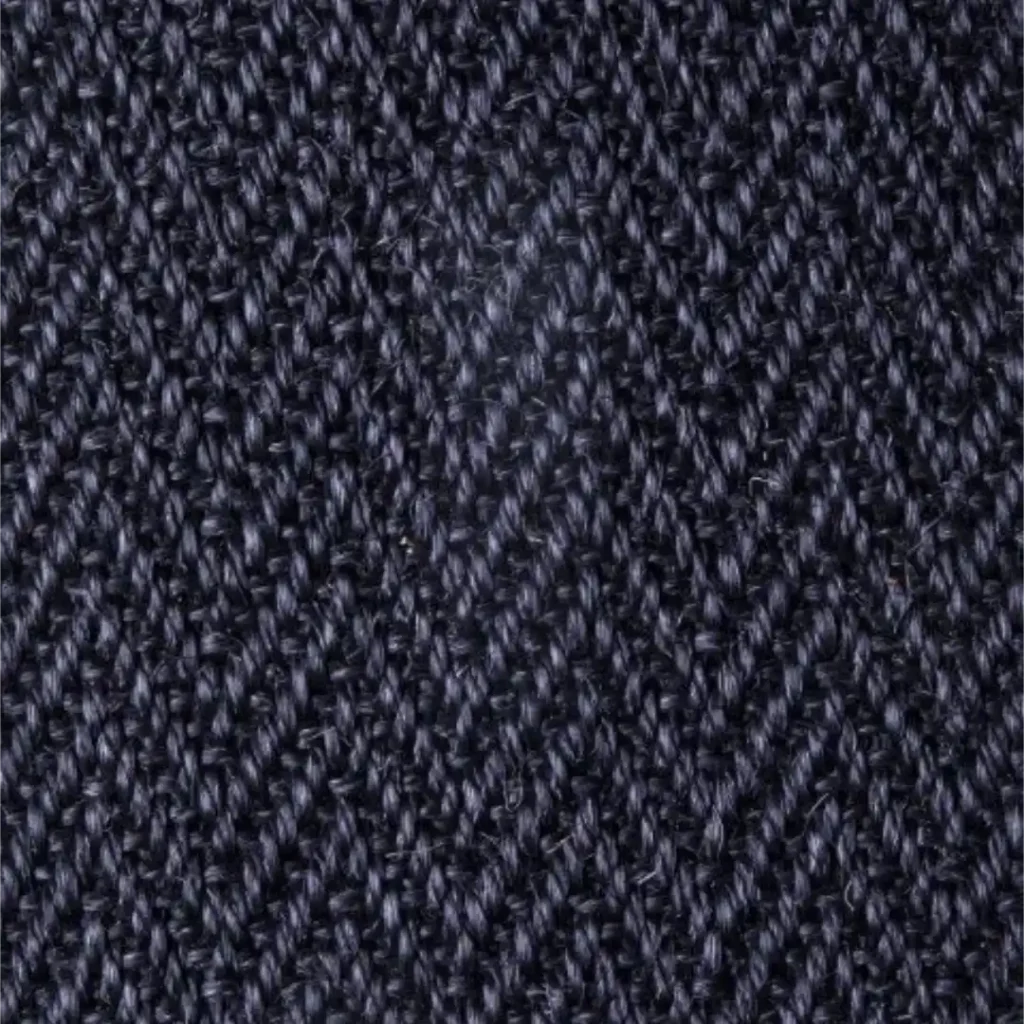
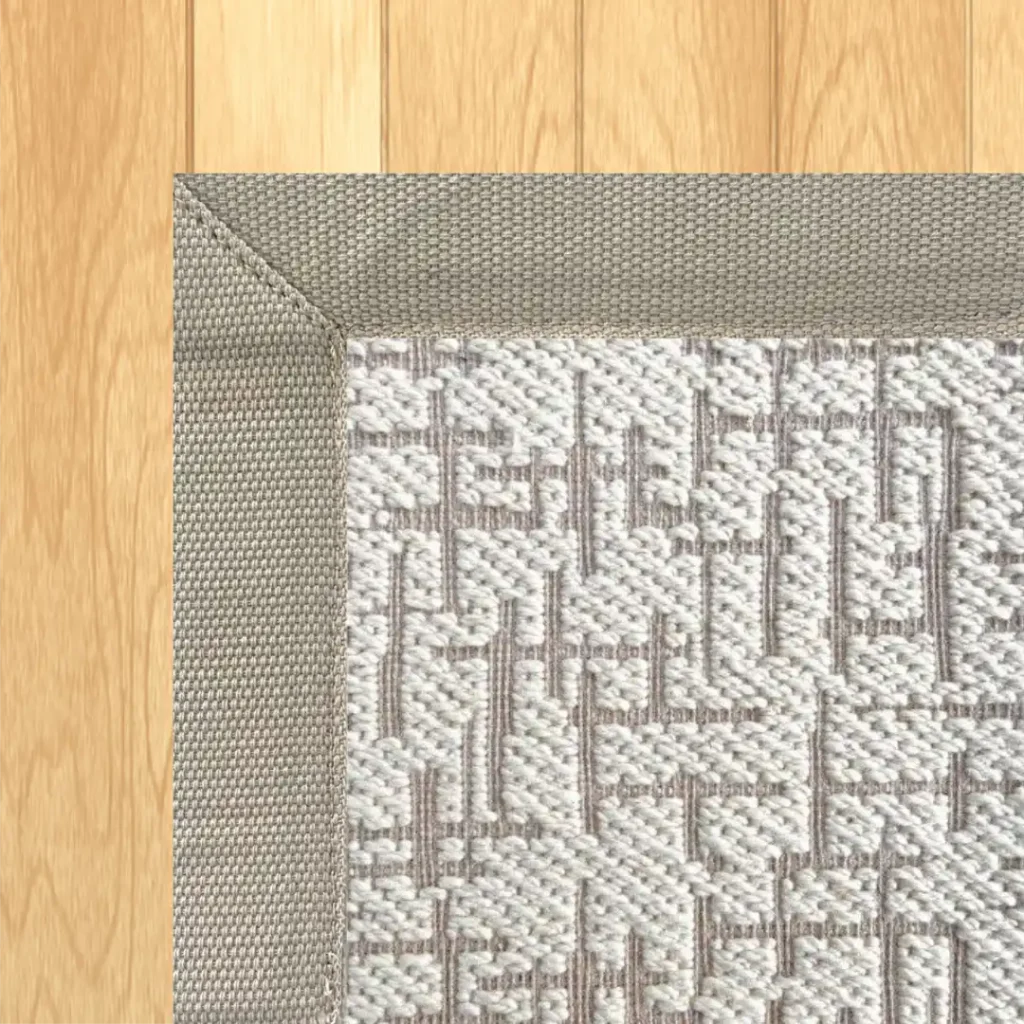
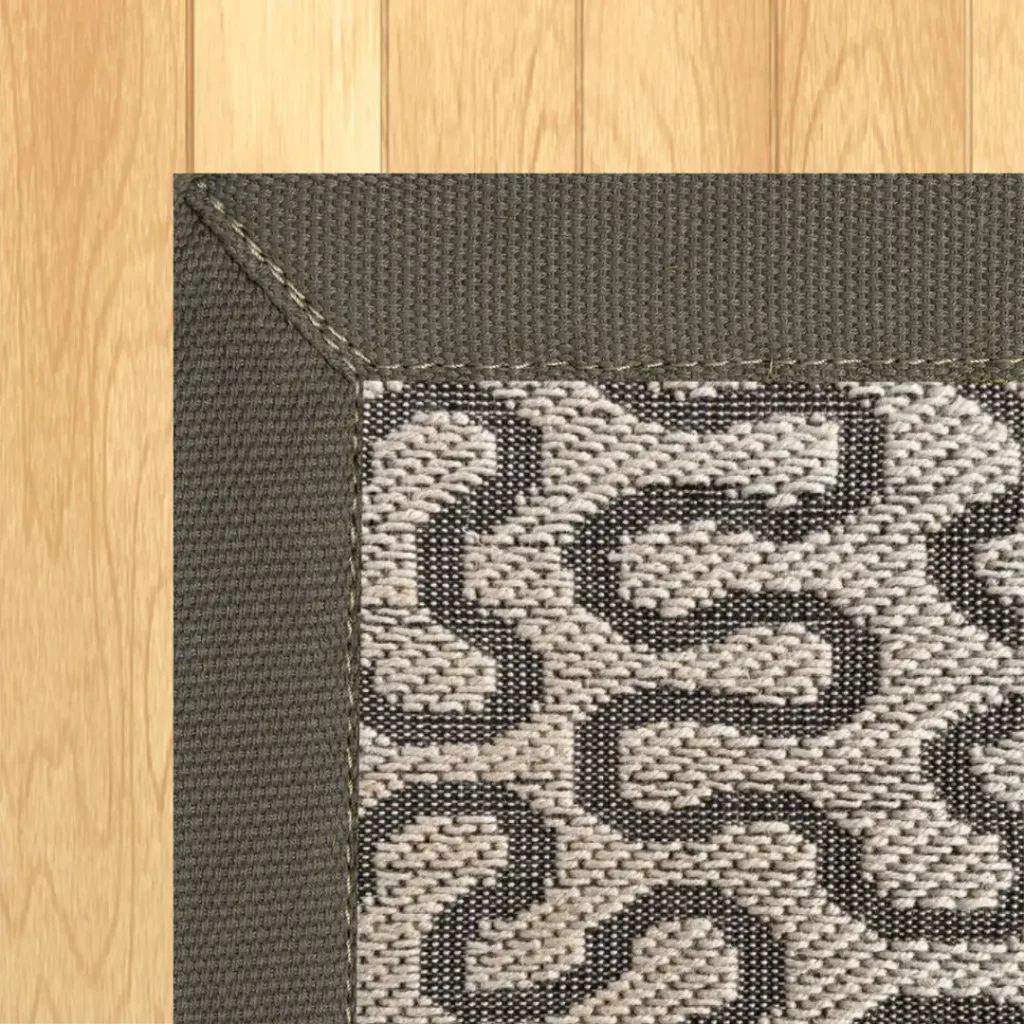
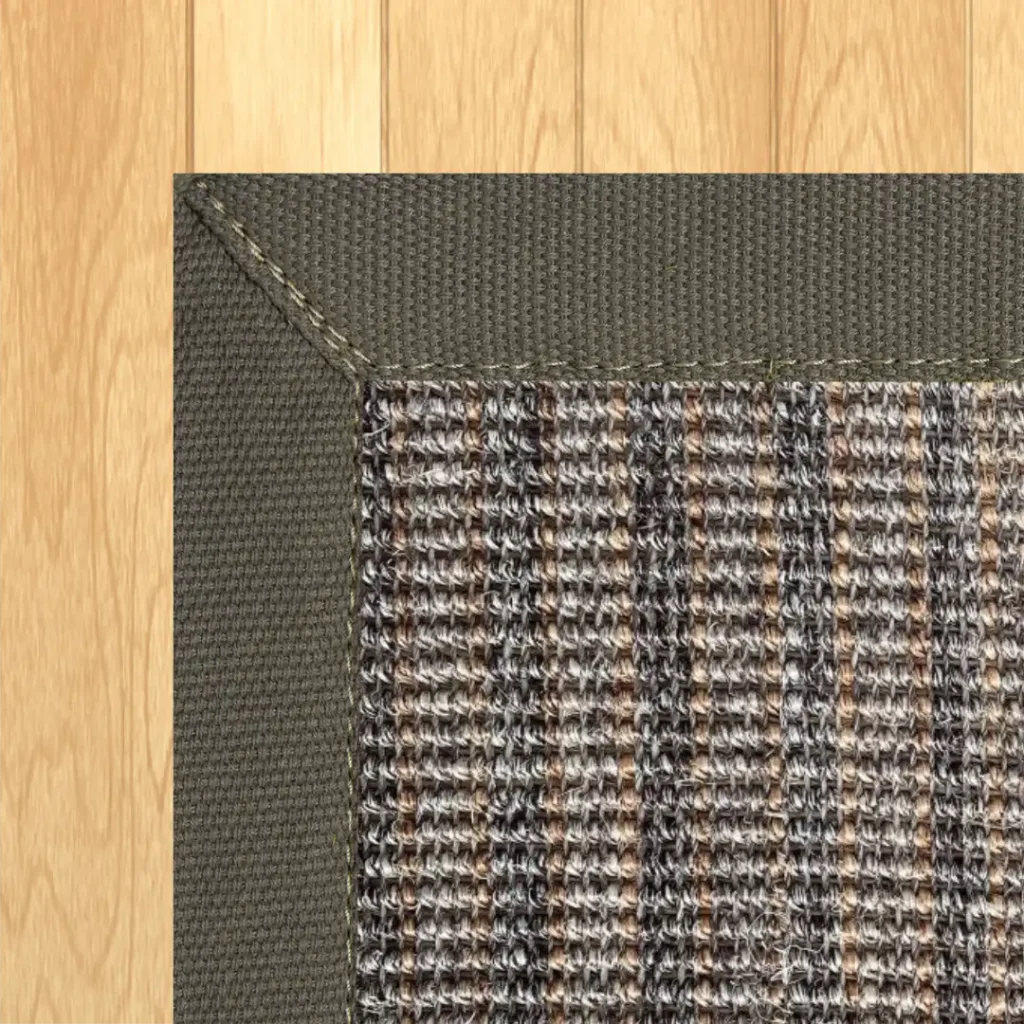
Black sisal herringbone rugs introduce structure and graphic interest, making them ideal for modern apartments and open-plan living spaces. In contrast, Sisal and wool blend rugs in lighter tones soften interiors while maintaining a tactile, design-led feel.
The 2026 Cloud Dancer Palette: A Bush Lodge Feel for City Living
The 2026 interior colour trend, often referred to as Cloud Dancer, embraces warm off-whites and soft neutrals. In a South African context, this palette echoes sun-bleached stone, canvas, and natural fibres found in luxury bush lodges.
When layered with organic fibre rugs, this colour story creates interiors that feel calm, expansive, and timeless.
To achieve this look:
- Avoid stark whites in favour of warmer, creamy tones
- Layer texture instead of introducing bold colour
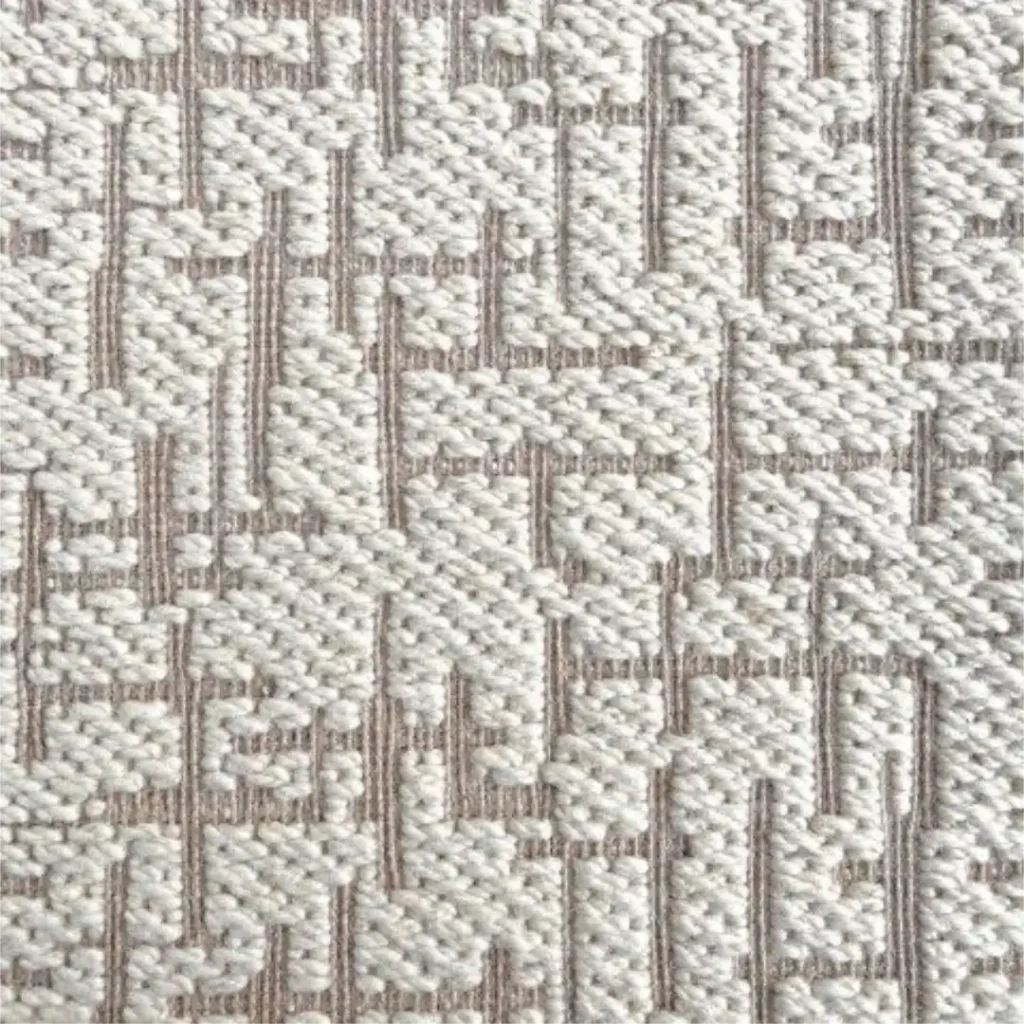
- Combine wool–jute rugs with linen upholstery and raw timber
- Use contrast sparingly through black sisal or dark furniture
This approach works particularly well in city apartments, where the goal is to bring a sense of retreat into an urban environment.
Built for the Climate: Why Natural Fibre Rugs Work in South Africa
South African homes face unique environmental conditions — strong sunlight, heat, and fluctuating humidity. Organic fibre rugs are particularly well-suited to these challenges.
Benefits include:
- Excellent performance in sun-filled rooms
- Greater UV stability than many synthetic rugs
- Breathable natural fibres
- Ideal durability for high-traffic living areas and passages
Sisal, jute, and wool–jute blends offer longevity without compromising on aesthetics, making them a practical choice for everyday South African living.
Beyond Rectangles: Runners and Round Organic Fibre Rugs
Organic fibre rugs are no longer limited to standard formats. Today’s collections include runners, area rugs, and round designs, allowing for more flexible and creative interior layouts.
Round organic fibre rugs work particularly well:
- Under round dining tables
- In entrance halls and foyers
- To soften angular architecture
- In smaller rooms where flow matters
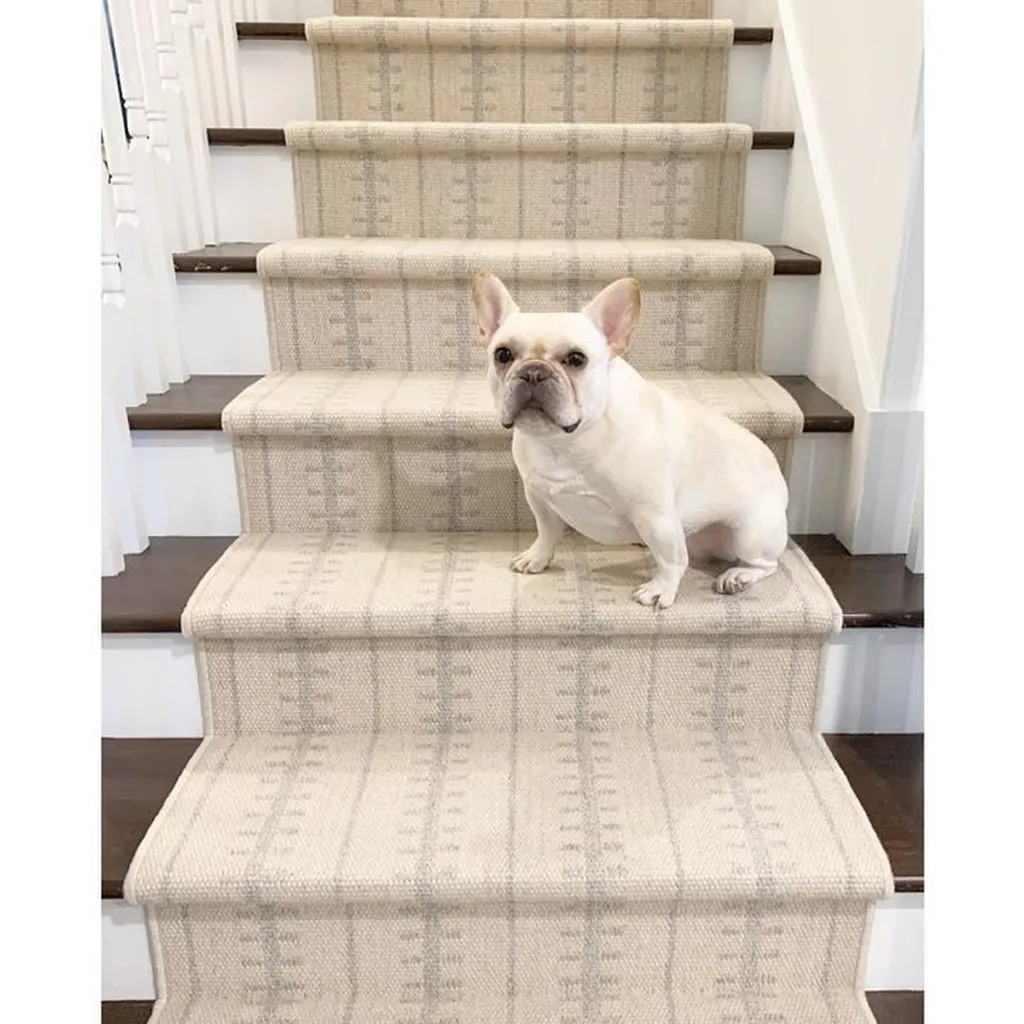
Runners, meanwhile, are ideal for passages, stair landings, and transitional spaces, reinforcing continuity throughout the home.
Layering with Nguni Hides: Texture Without Excess
Nguni hides remain a distinctly South African design element, but in modern safari interiors, restraint is key. Rather than acting as a focal point, hides are best used as a secondary layer.
Consider:
- Draping a Nguni hide over a leather armchair
- Layering one at the foot of a bed over a wool–jute rug
- Introducing subtle contrast in neutral living spaces
Used thoughtfully, Nguni hides add warmth and authenticity without overpowering the room.
Why the Modern Safari Look Endures
Modern safari interiors succeed because they are rooted in place, material, and longevity. They celebrate local textures and climate realities while remaining globally relevant and timeless.
By anchoring a space with organic fibre rugs — from black sisal herringbone designs to soft wool–jute blends and round natural formats — South African homes can achieve an aesthetic that feels calm, confident, and unmistakably local.
Final Thought
If you are moving away from themed décor and toward a more refined, design-led home, start from the ground up. A carefully chosen organic fibre rug sets the tone for the entire space.
Layered with modern furniture, a Cloud Dancer palette, and subtle local accents, the result is a home that feels quietly luxurious — and distinctly South African.