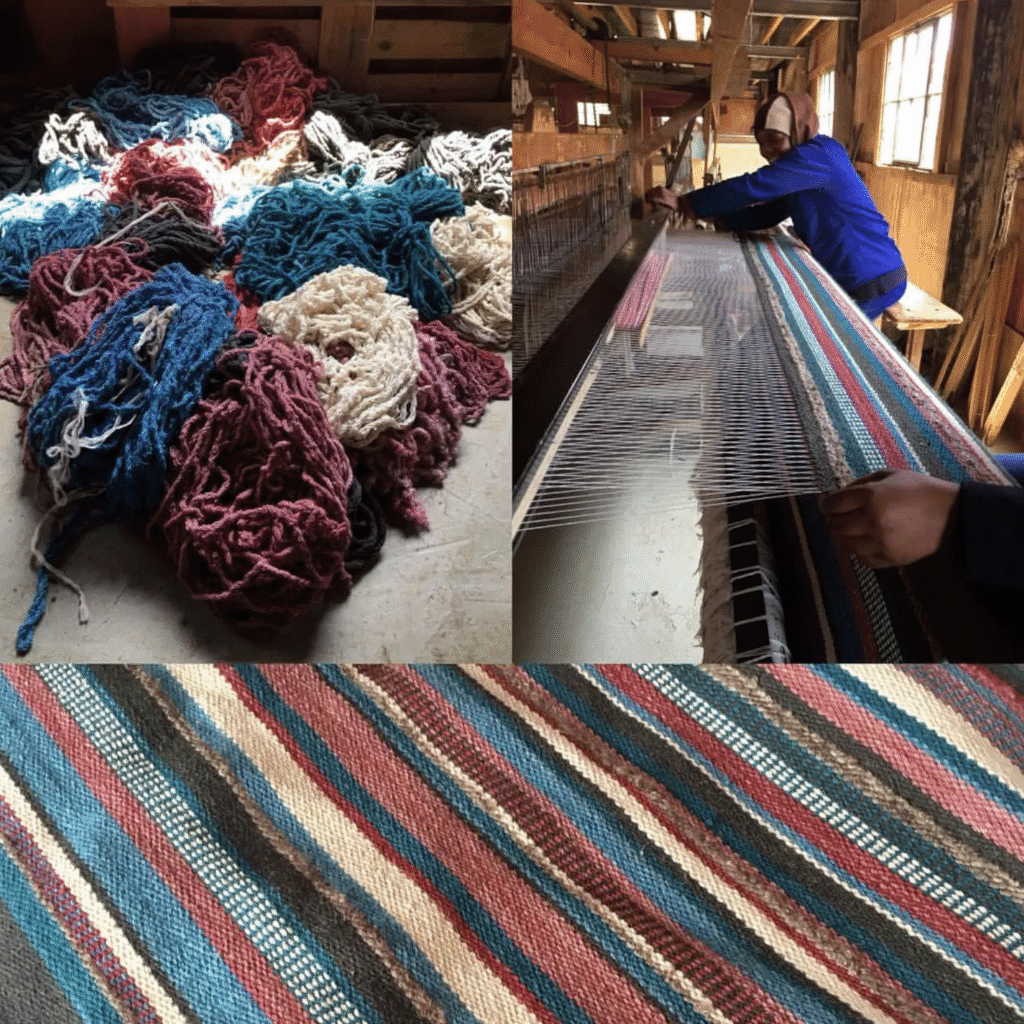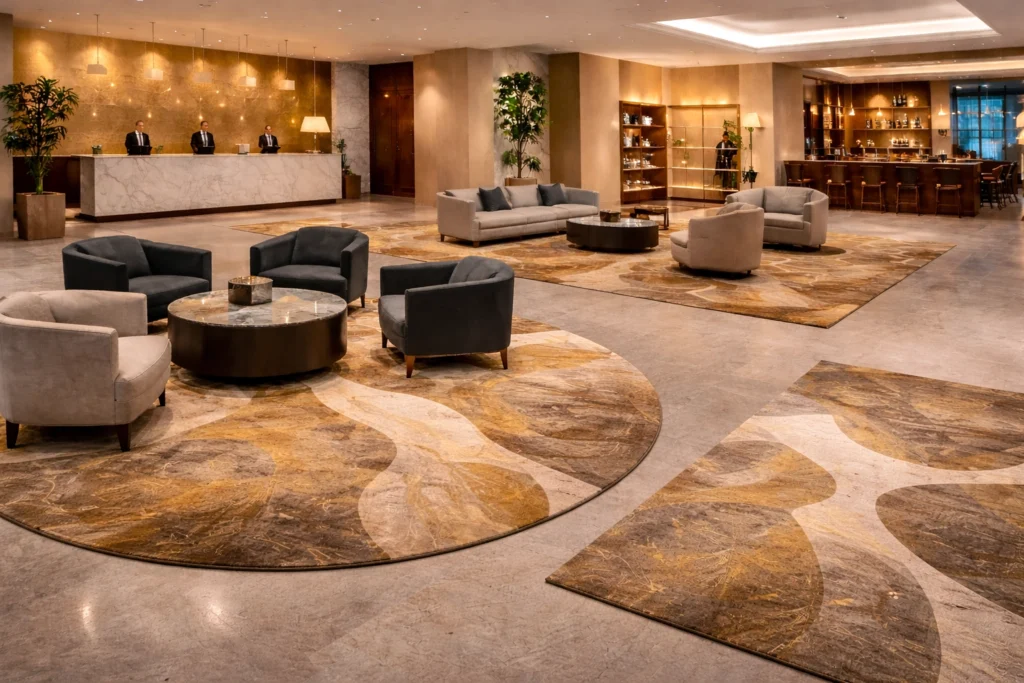
Wool rugs remain the undisputed pinnacle of interior comfort—luxurious underfoot, naturally resilient, and functionally insulating. The inherent elasticity of pure wool fibres, combined with their natural fire retardation and stain resistance, makes them the ideal foundation for high-end living rooms, master bedroom suites, and family homes alike.
However, because wool is an organic, bio-based textile, its maintenance routine must respect its unique material structure rather than treat it like an industrial synthetic carpet. To ensure your investment retains its structural loft, vibrant colour fastness, and plush bounce for decades, adhere to this definitive professional care guide.
Understanding the Architecture of Wool Rugs
Pure wool fibres are structurally composed of overlapping microscopic scales coated in lanolin—a natural, protective oil that acts as a built-in shield against moisture, dust mites, and dirt. This unique anatomy allows wool to repel surface liquids initially and bounce back seamlessly from furniture compression.
However, aggressive scrubbing, alkaline supermarket chemicals, or excessive heat will strip away this protective lanolin layer, leaving the wool cut piles looking dull, feeling brittle, and highly susceptible to permanent matting. A gentle, pH-neutral, wool-safe methodology is non-negotiable for preserving artisanal craftsmanship.
Phase 1: Routine Maintenance & Pile Preservation
Consistent, low-impact maintenance is the most effective strategy for extending the lifespan of your rug.
- The Anti-Beater Bar Rule: Vacuum your rug once or twice a week utilizing a suction-only setting. Absolutely avoid vacuum cleaners equipped with rotating brush attachments or heavy-duty beater bars. Aggressive mechanical friction will pull, fuzz, and permanently unravel the structural twist of the yarn.
- Directional Vacuuming: Always pass the vacuum nozzle in the natural direction of the pile’s slant rather than pushing against it, minimizing surface abrasion.
- Rotational Protocol: Rotate your rug 180 degrees every three to four months. This simple step ensures that natural UV sunlight exposure and physical foot traffic wear patterns are distributed evenly across the surface.
- Acoustic & Structural Cushioning: Always place a premium crumbed rubber underlay (3mm or 5mm) beneath your rug. An underlay acts as a shock absorber, preventing the base of the pile from crushing against hard subfloors and stabilizing the rug to prevent slipping.
Phase 2: Precise Spot Cleaning & Biological Stain Management
When a spill occurs, immediate and precise intervention prevents a temporary accident from turning into a permanent stain. The absolute law of textile care is: blot immediately, never rub.
- Extract Surface Liquids: Place a clean, undyed white cloth or paper towel directly over the spill. Apply firm downward pressure to draw up as much liquid as possible. Rubbing or friction will spread the liquid and force the pigment deep into the core of the wool fibres.
- Formulate a Low-Toxin Solution: Mix cool water with a few drops of a pH-neutral wool detergent. Avoid bleaching agents, strong alkalis, or aggressive “oxy” stain removers, which can strip colour and dissolve the natural fibre bonds.
- Targeted Dabbing: Dampen a clean cloth with the solution and gently dab from the outer perimeter of the stain inward to avoid expanding the spot. Keep the area damp—never saturated.
- Neutralize Organic Stains: For highly pigmented organic spills like coffee or wine, a diluted solution of white vinegar and cool water can help neutralize the compounds before applying detergent.
- Rinse & Dry: Blot the area with a cloth dampened with clean, cool water to remove any soap residue, then sandwich the section between dry towels to extract remaining moisture.
Specialized Protocol for Pet Urine and Accidents Pet accidents present a challenging chemical profile. Fresh urine is initially acidic, but as it dries, it reacts with oxygen to form highly alkaline uric salt crystals. If left untreated, these salts permanently strip the wool’s natural lanolin, cause severe colour bleeding, and bind to the organic fibres, causing deep-seated structural odours.
- Immediate Extraction: Blot the spot repeatedly with a white towel until completely dry. If you have a wet/dry extraction vacuum, use it with cold water only to flush the area.
- Neutralize the Alkalinity: Create a solution of equal parts white vinegar and cold water. The mild acid in white vinegar works to break down the uric salts. Dab the solution into the pile, let it sit for 3 to 5 minutes, and blot completely dry.
- Avoid Enzyme Cleaners unless Wool-Safe: Most standard supermarket pet enzyme cleaners are engineered for synthetic plastics and contain aggressive proteins that eat away at natural wool fibres. Only use formulas specifically certified as wool-safe, and never use heat, which cooks the biological proteins into the pile permanently.
Phase 3: Managing Shedding and Ambient Odours
- Understanding Shedding: New, high-quality wool rugs—particularly plush hand-tufted variants—will experience minor shedding during their first few months. This is simply loose fragments of staple yarn rising to the surface and is a normal characteristic of premium hand-craftsmanship. Regular suction-only vacuuming will safely manage this until the pile settles.
- Deodorizing Safely: To refresh a rug without liquids, lightly sprinkle bicarbonate of soda across the pile. Allow it to sit for 30 to 60 minutes to absorb ambient odors, then vacuum thoroughly using multiple gentle passes.
Phase 4: Long-Term Preservation and Storage
If a design layout change requires you to store your luxury wool rug temporarily, follow these preservation steps to protect it from moisture and pests:
- Decontaminate First: Thoroughly vacuum both the face and the backing of the wool rug to eliminate any hidden dust or organic matter.
- Roll, Never Fold: Folding a rug introduces severe structural creases that can crack the backing matrix. Instead, roll the wool rug tightly with the face pile oriented inward.
- Breathable Wrapping: Encase the rolled cylinder in a breathable cotton canvas or unbleached muslin wrap. Never use plastic sheet wrapping, as it traps ambient humidity, creating an airtight incubator for mould, mildew, and rot.
- Pest Deterrence: Place natural cedarwood blocks or organic lavender sachets inside the wrapper to naturally deter moths. Store the rug elevated off the floor in a climate-controlled, dry space.
⚠️ Professional Care Disclaimer
The guidance provided in this article is intended for general routine maintenance and minor, immediate spot intervention. Because luxury wool is an organic, high-value material, incorrect cleaning methods or aggressive off-the-shelf chemicals can cause irreversible structural damage, felting, or colour migration. For old, large-scale, deep-set, or severe biological stains (such as older pet accidents), always consult and employ a certified, professional rug cleaning expert specializing explicitly in natural fibre hand-washing. Woven Bliss assumes no liability for damage resulting from home treatments or independent cleaning attempts.
Final Thoughts: Investing in Longevity
A bespoke wool rug is a living element of your interior architecture. By replacing aggressive cleaning habits with disciplined, gentle maintenance, you preserve the natural bounce, tactile luxury, and structural beauty of the yarn.
For large-scale deep cleaning, avoid standard rental carpet shampooers or hot steam systems that cause structural shrinkage. Entrust your textile investments to professional hand-washing specialists every 12 to 18 months. Need further advice on maintaining your bespoke foundations? Book a Free Consultation with Woven Bliss today.