2026 Rug Trends in South Africa: Texture-First, Earth Tones, and Statement Floors
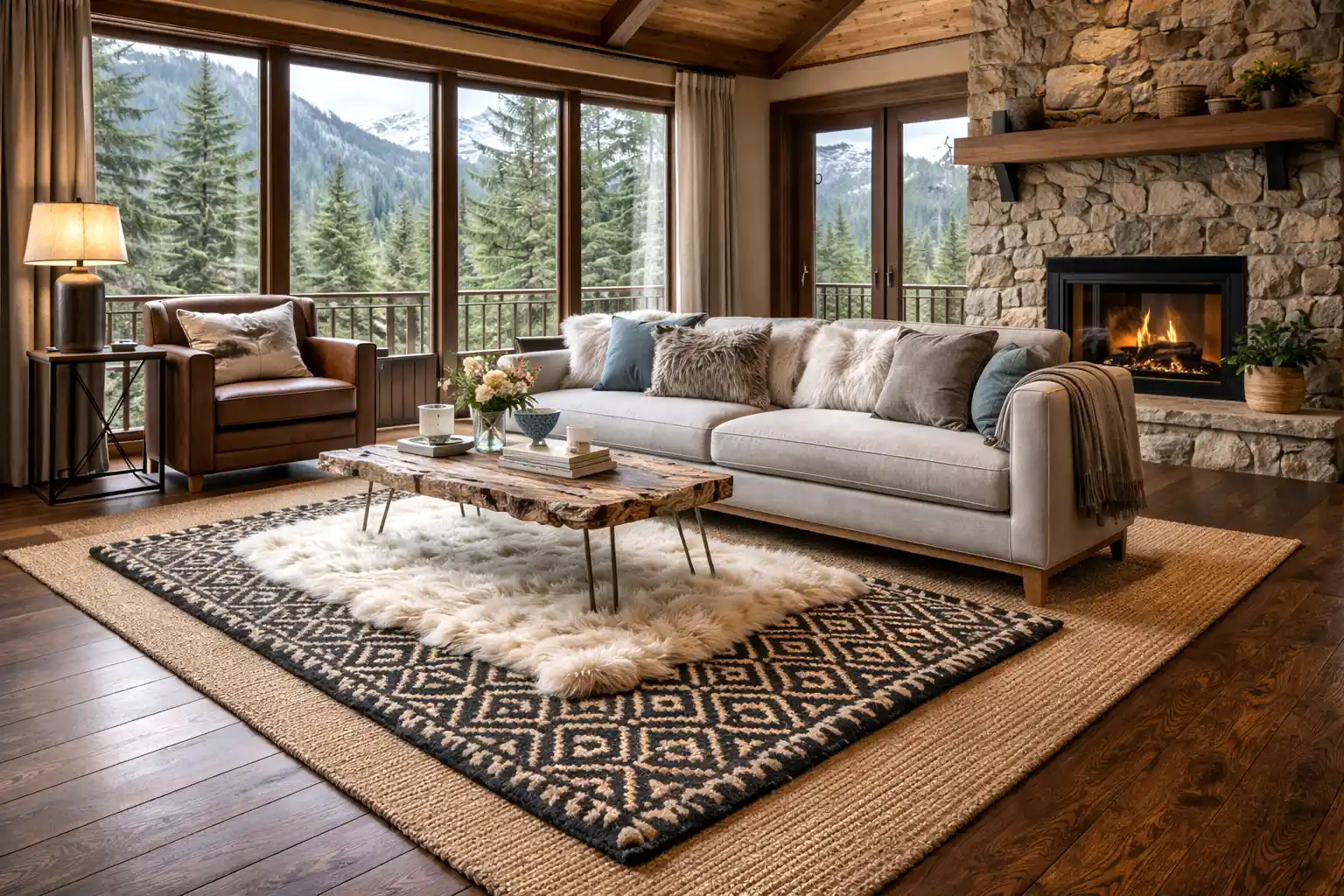
If you want your home to feel more refined—fast—start at floor level. In 2026, South African interiors are shifting away from “matchy-matchy” décor and loud, busy designs. The new direction is clear: texture-first rugs, warm earth tones, and statement floors that anchor a room with quiet confidence.
Whether you’re refreshing a living room, warming up a bedroom, or turning a patio into a true extension of your home, these are the rug trends shaping South African spaces in 2026—and how to use them in a way that looks premium, not predictable.
1) The 2026 shift: from pattern-first to texture-first
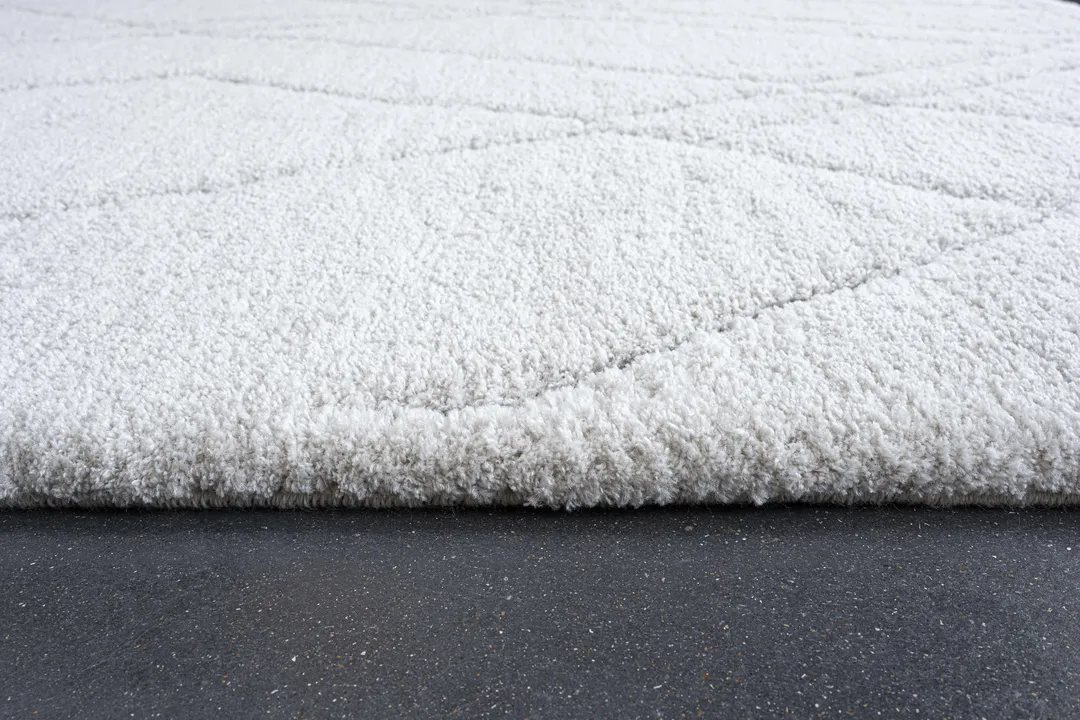
The biggest change this year isn’t a colour—it’s a feeling. Texture is taking the lead because it creates depth and sophistication without visual noise. In a well-designed space, the rug shouldn’t just be “something on the floor”; it should add dimension, comfort, and presence.
Look out for:
- Chunky flatweaves with a handwoven look
- Ribbed and nubby textures that add subtle structure
- Looped weaves that feel tactile and elevated
- High–low finishes where texture creates the “pattern”
Why it works in South African homes: Texture responds beautifully to natural light, adds warmth to tiled floors, and often wears more gracefully in everyday living—especially in open-plan spaces where the rug has to do more design work.
2) Earth tones, but elevated: the new neutral palette
“Neutral” in 2026 doesn’t mean flat beige. It means warm, nuanced colour that layers well with timber, stone, woven décor, and modern architectural finishes. The goal is a palette that feels grounded and timeless, but still deliberately styled.
Earth-tone directions trending right now:
- Sand, oat, and warm stone (calm, airy, universally flattering)
- Greige and mushroom tones (perfect for modern minimal interiors)
- Clay, terracotta, and rust (warmth without shouting)
- Walnut, cocoa, and tobacco (rich, grounded, quietly luxurious)
- Charcoal and smoked greys (for contrast in contemporary spaces)
For a naturally grounded look that complements this palette, consider organic fibre rugs, where texture and tone work together to create a sophisticated, lived-in finish.
3) Statement floors are back: bigger rugs, bolder intent
One of the most common styling mistakes is choosing a rug that’s too small. In 2026, the “statement” isn’t always a bold pattern—it’s scale. A generously sized rug makes a room feel finished, more expensive, and more cohesive.
What’s trending:
- Oversized area rugs that visually “build” the room
- A wall-to-wall look (without fitted carpet) for a boutique-hotel feel
- Rugs used to create structure: seating zones, dining zones, bedroom zones
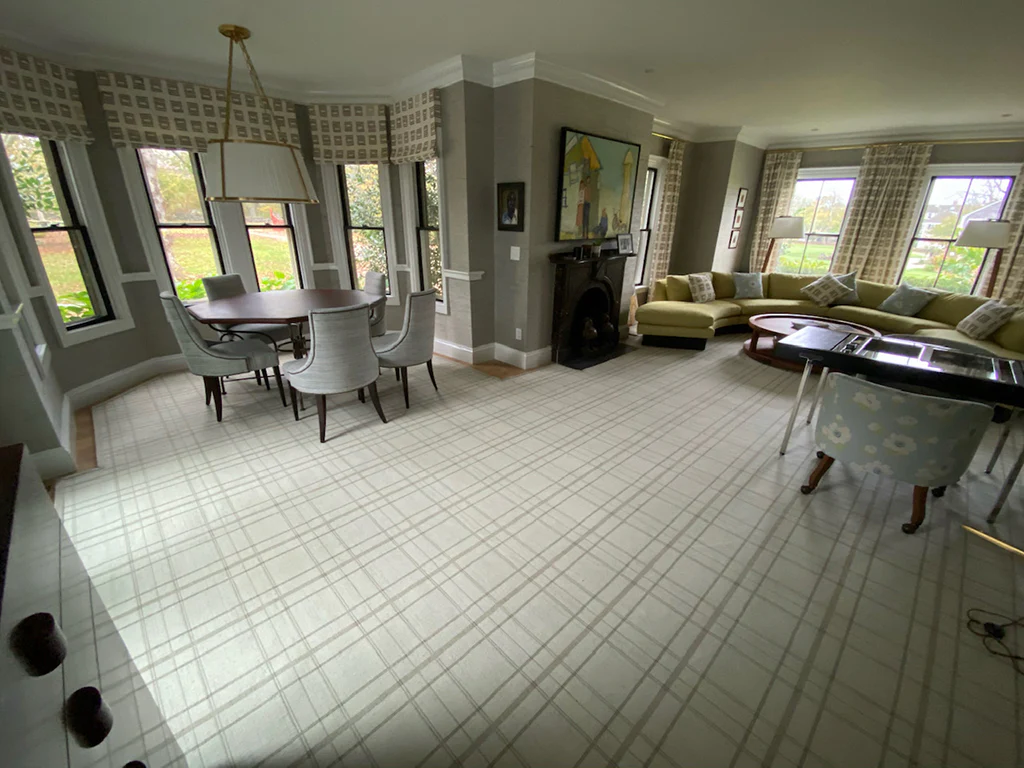
A simple sizing rule for an instant upgrade
- Living room (minimum): the rug should sit under the front legs of the sofa and chairs.
- Luxury look: aim for all legs on the rug, with generous border space around the furniture grouping.
- Bedroom: choose a rug that extends beyond the bed so you step onto comfort first thing.
If you’re updating a living room or bedroom, start with a generously sized area rug to anchor the entire layout. It’s the fastest way to make the room feel intentional and complete.
4) Bespoke, non-uniform rug shapes: the new luxury statement
In 2026, statement floors aren’t only about size and colour—shape is becoming a design feature. More South African homeowners and designers are moving beyond standard rectangles and embracing bespoke, non-uniform rugs that feel sculptural and architectural.
Popular custom shapes include:
- Soft organic silhouettes (rounded, irregular curves)
- Arched rugs for entryways, fireplaces, and feature chairs
- Asymmetrical layouts that suit open-plan zoning
- Custom cut-outs to flow around built-in seating, columns, or angled walls
- Oversized runners designed to follow unique passages or stair landings
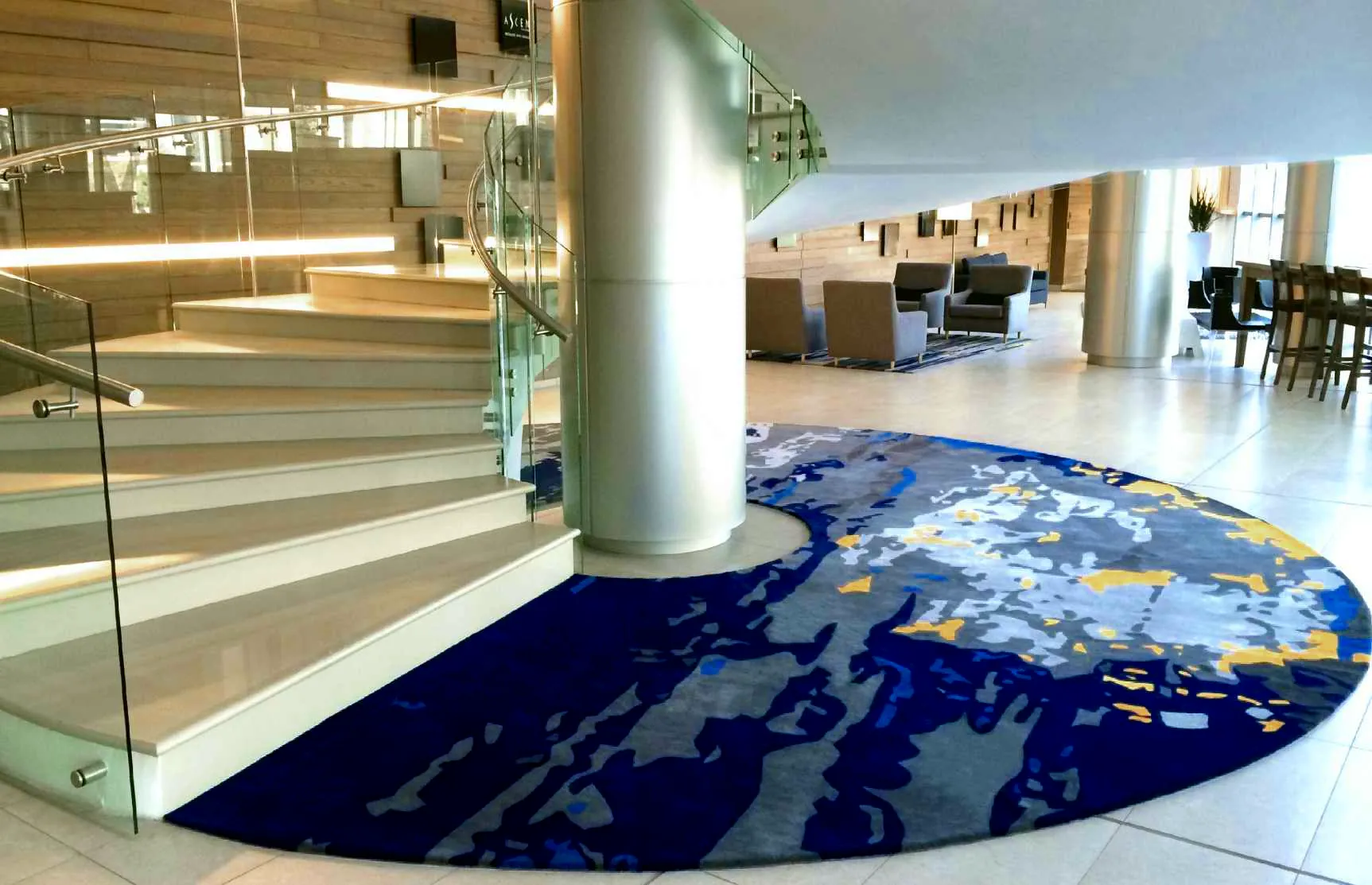
Why non-uniform shapes are trending
- They look custom by default. Even in a simple neutral palette, an irregular silhouette reads high-end.
- They solve awkward spaces. Open-plan transitions, angled corners, and architectural features are easier to design around.
- They create a focal point. A sculptural rug defines a zone as effectively as furniture placement.
Made-to-order tip: If you want a boutique-hotel finish—or a rug that fits your room precisely—explore Made-to-Order rugs for custom sizes and non-uniform shapes.
5) Layering rugs is now mainstream (and perfect for rentals)
Layering has moved from “stylist trick” to everyday solution—especially in homes with tiled floors. It creates depth, warmth, and a more collected look without the need for renovation.
The 2026 layering formula:
- Base rug: large, neutral, textured (the foundation)
- Top rug: smaller, with contrast (pattern, colour, or plushness)
Why it works: You can refresh a room seasonally, soften acoustics, and define zones in open-plan layouts—all with a method that still feels elegant and intentional.
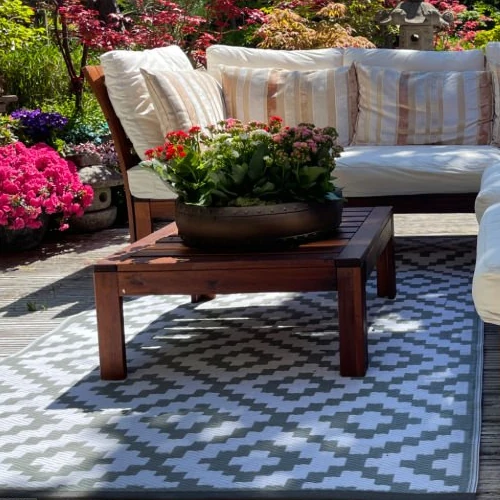
6) Indoor-outdoor rugs continue rising in South Africa
South Africa’s lifestyle naturally leans outdoors. Patios, decks, stoeps, and braai areas are part of daily living—so it makes sense that outdoor rugs are no longer an afterthought. In 2026, they’re a design staple.
Top outdoor directions:
- Jute/sisal-look textures with better practicality
- Coastal stripes that feel light and architectural
- Geometric neutrals that elevate modern patios
Explore our curated range of indoor-outdoor rugs designed for South African patios, decks, and high-traffic spaces.
7) Pattern direction: simpler, bolder, more graphic
Pattern isn’t disappearing—it’s becoming more intentional. Rather than intricate, busy motifs, 2026 is leaning toward fewer, stronger elements that work with textured upholstery, curved furniture, and calmer palettes.
What’s in:
- Bold stripes
- Oversized geometrics
- Tone-on-tone patterning where texture does the work
- Simple motifs that let materials and shape lead
What’s fading: overly busy micro-patterns in already visually active rooms—especially when the goal is a more elevated, spacious feel.
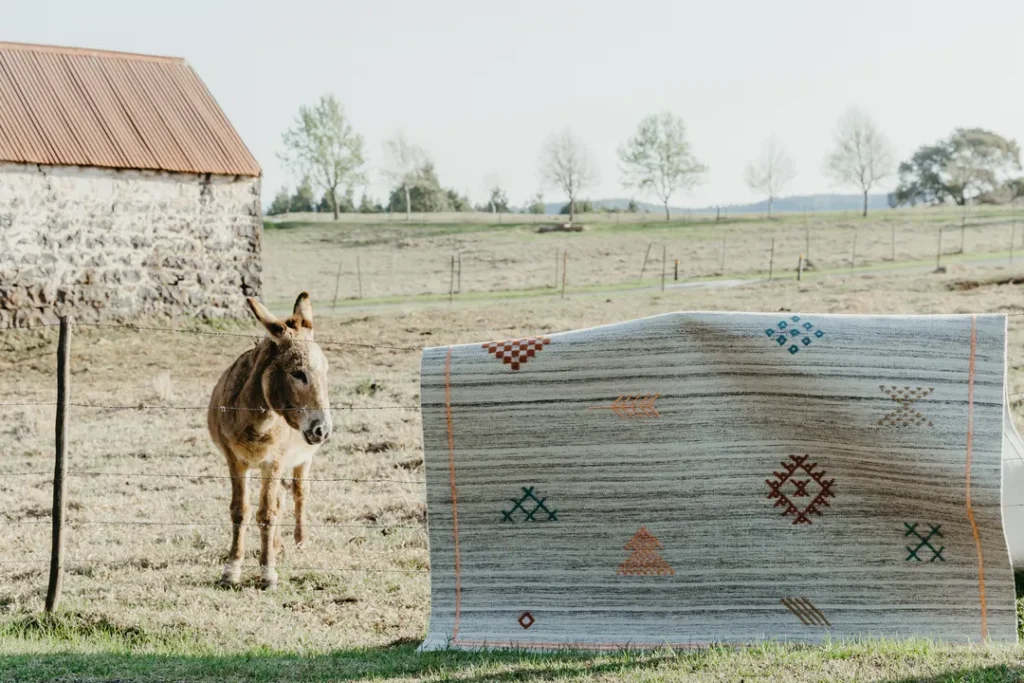
8) Artisan and locally crafted rugs: a true luxury signal
Luxury is increasingly defined by what feels collected, crafted, and considered. In 2026, rugs that look mass-produced are losing ground to pieces with character—where the texture, construction, and finish communicate value immediately.
If you’re choosing a rug for a long-term interior, prioritise:
- Construction quality (how it will wear over time)
- Material integrity (texture that looks better with age)
- Design restraint (timeless palettes, intentional pattern)
9) Comfort upgrades buyers are prioritising: underlay and acoustics
A rug should look beautiful—but 2026 buyers are also prioritising how a space feels and sounds, especially in open-plan homes and tiled interiors.
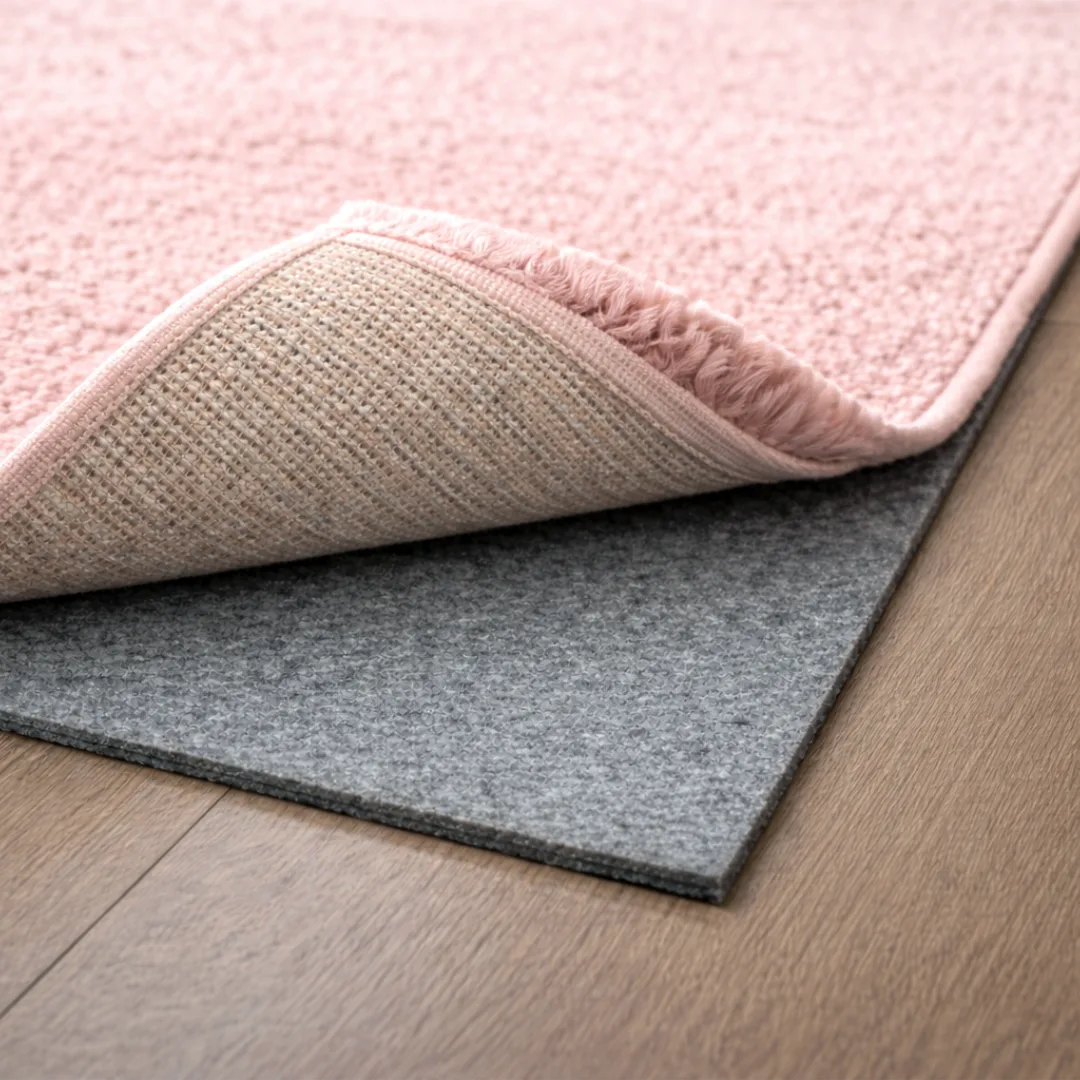
A quality underlay can help:
- Increase comfort underfoot
- Reduce slipping
- Improve insulation
- Soften sound and echo
This is one of the simplest ways to make a room feel more premium without changing your décor.
Room-by-room: the best 2026 rug trends for each space
Living room: texture + scale
Best look: an oversized textured neutral that anchors the seating area.
Style tip: keep décor restrained so the rug reads as the hero (texture is your “statement”).
Bedroom: warm comfort underfoot
Best look: warm stone tones with plush or tactile finishes.
Style tip: ensure the rug extends beyond the bed edges for a finished, hotel-like feel.
Dining room: practical structure
Best look: flatter weaves and durable finishes that handle chair movement.
Sizing rule: allow space for chairs to remain on the rug when pulled out.
Hallway and entry: statement runner moments
Best look: stripes, subtle geometrics, durable weaves.
Style tip: use a runner to create a “designed arrival” the second you walk in.
Patio and outdoor areas: indoor-outdoor sophistication
Best look: jute-look textures, coastal stripes, geometric neutrals.
Style tip: keep furniture neutral and let the rug define the zone.
What to avoid in 2026 (if you want a higher-end result)
- Rugs that are too small for the furniture layout
- Overly busy patterns that fight the rest of the room
- Icy greys everywhere (swap to warmer greige/stone tones)
- Slippery placement without underlay in high-traffic areas
A quick 2026 buying checklist
- Do you want texture-first or pattern-first?
- Is the rug large enough to anchor the space?
- Does the colour sit inside a warm earth-tone palette?
- Do you need indoor-outdoor performance?
- Would a custom size or non-uniform shape suit your layout better?
If standard sizes won’t do the room justice, a made-to-order approach can be the most effective design upgrade you make—especially for open-plan spaces, unusual architecture, and statement floors.
Shop the 2026 trends
- Explore statement Area Rugs
- Shop Indoor-Outdoor Rugs
- Discover Organic Fibre Rugs
- Made-to-Order: Bespoke Rugs and Runners
Final thought: 2026 is the year the floor becomes the feature
The strongest interiors this year feel grounded, tactile, and confident. Start with a rug that brings texture, warmth, scale—and, where needed, a custom silhouette—and your entire room will look more considered.
Practical next steps: begin with a generously sized area rug, lean into texture-first weaves, choose warm earth tones, and consider indoor-outdoor options for patios. If your room is challenging—or you want something truly architectural—go bespoke with a custom size or non-uniform shape.