Sisal Rug Care Guide

Introduction

Sisal rugs deliver an effortlessly natural look, prized for their distinctive texture and strong, grounding presence in living spaces, home offices, and hallways. Woven from fibres of the agave plant, sisal is tough yet surprisingly sensitive to water. Effective care therefore focuses on dry methods, controlled humidity, and prompt attention to spills.

Understanding Sisal as a Natural Fibre

Sisal fibres are stiff plant strands spun into durable yarns. These yarns are then woven into dense, textured patterns that hide everyday dust but can trap grit deeply within the weave. Because sisal is hygroscopic, it absorbs moisture readily, which may cause expansion, rippling, or permanent staining if mishandled. Correct placement and cleaning methods are key to long-term success.

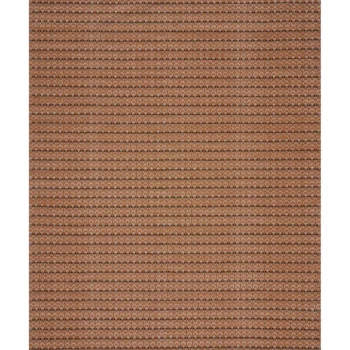
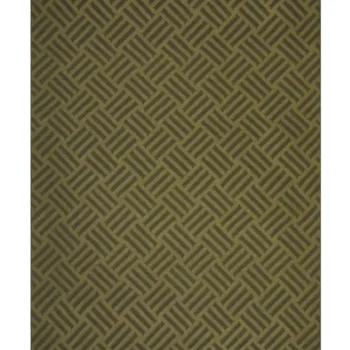
sisal tiger eye chunky natural. sisal rug care.

Everyday Care & Routine Maintenance

Dry cleaning techniques are essential for sisal rugs:

  • Vacuum at least twice a week, using a strong suction-only head. Move slowly in several directions to draw out dust lodged between the fibres.
  • Vacuum the underside periodically, especially for larger rugs, to prevent grit from building up between the rug and the floor.
  • Rotate monthly to even out footfall patterns and sunlight exposure.
  • Place on a quality underlay to prevent slipping, improve comfort, and encourage airflow underneath.

Avoid humid areas like bathrooms or damp basements. Sisal performs best in well-ventilated, dry spaces, especially in open-plan living rooms or passages.

Spot Cleaning & Stain Management

When a spill occurs on sisal, time is critical:

  1. Immediately blot with a white cloth, pressing firmly to absorb as much liquid as possible.
  2. For water-soluble stains, slightly dampen a cloth with cold water and a few drops of mild detergent, then dab gently. Use as little liquid as possible.
  3. Follow up with a dry towel, repeatedly pressing until the area feels almost dry.
  4. Circulate air over the area with a fan to reduce drying time and discourage mildew.

For oily or greasy stains:

  • Sprinkle cornflour, talcum powder, or baking soda on the affected area.
  • Leave for several hours or overnight to draw out the oil.
  • Vacuum thoroughly to remove the absorbed residue.

Avoid scrubbing, soaking, or using steam. These will roughen the fibre, cause deformation, and may result in dark water marks that are difficult to reverse.

When a spill occurs on sisal, time is critical:

  1. Immediately blot with a white cloth, pressing firmly to absorb as much liquid as possible.
  2. For water-soluble stains, slightly dampen a cloth with cold water and a few drops of mild detergent, then dab gently. Use as little liquid as possible.
  3. Follow up with a dry towel, repeatedly pressing until the area feels almost dry.
  4. Circulate air over the area with a fan to reduce drying time and discourage mildew.

For oily or greasy stains:

  • Sprinkle cornflour, talcum powder, or baking soda on the affected area.
  • Leave for several hours or overnight to draw out the oil.
  • Vacuum thoroughly to remove the absorbed residue.

Avoid scrubbing, soaking, or using steam. These will roughen the fibre, cause deformation, and may result in dark water marks that are difficult to reverse.

When a spill occurs on sisal, time is critical:

  1. Immediately blot with a white cloth, pressing firmly to absorb as much liquid as possible.
  2. For water-soluble stains, slightly dampen a cloth with cold water and a few drops of mild detergent, then dab gently. Use as little liquid as possible.
  3. Follow up with a dry towel, repeatedly pressing until the area feels almost dry.
  4. Circulate air over the area with a fan to reduce drying time and discourage mildew.

For oily or greasy stains:

  • Sprinkle cornflour, talcum powder, or baking soda on the affected area.
  • Leave for several hours or overnight to draw out the oil.
  • Vacuum thoroughly to remove the absorbed residue.

Avoid scrubbing, soaking, or using steam. These will roughen the fibre, cause deformation, and may result in dark water marks that are difficult to reverse.

When a spill occurs on sisal, time is critical:

  1. Immediately blot with a white cloth, pressing firmly to absorb as much liquid as possible.
  2. For water-soluble stains, slightly dampen a cloth with cold water and a few drops of mild detergent, then dab gently. Use as little liquid as possible.
  3. Follow up with a dry towel, repeatedly pressing until the area feels almost dry.
  4. Circulate air over the area with a fan to reduce drying time and discourage mildew.

For oily or greasy stains:

  • Sprinkle cornflour, talcum powder, or baking soda on the affected area.
  • Leave for several hours or overnight to draw out the oil.
  • Vacuum thoroughly to remove the absorbed residue.

Avoid scrubbing, soaking, or using steam. These will roughen the fibre, cause deformation, and may result in dark water marks that are difficult to reverse.

When a spill occurs on sisal, time is critical:

  1. Immediately blot with a white cloth, pressing firmly to absorb as much liquid as possible.
  2. For water-soluble stains, slightly dampen a cloth with cold water and a few drops of mild detergent, then dab gently. Use as little liquid as possible.
  3. Follow up with a dry towel, repeatedly pressing until the area feels almost dry.
  4. Circulate air over the area with a fan to reduce drying time and discourage mildew.

For oily or greasy stains:

  • Sprinkle cornflour, talcum powder, or baking soda on the affected area.
  • Leave for several hours or overnight to draw out the oil.
  • Vacuum thoroughly to remove the absorbed residue.

Avoid scrubbing, soaking, or using steam. These will roughen the fibre, cause deformation, and may result in dark water marks that are difficult to reverse.

Odour Control and Refreshing

To keep sisal fresh without dampness:

  • Lightly sprinkle bicarbonate of soda over the rug.
  • Allow it to sit for 20–30 minutes.
  • Vacuum carefully using multiple passes.

Never use water-based deodorisers, steam mops, or saturated sprays on sisal rugs.

Deep Cleaning & Professional Care

Sisal rugs are best deep cleaned by professionals who specialise in natural plant fibres:

  • Ask for dry compound or encapsulation cleaning methods.
  • Avoid hot-water extraction or immersion cleaning, as these can cause severe shrinkage and distortion.
  • For wall-to-wall sisal, professional cleaning is strongly recommended over DIY attempts.

Deep cleaning is typically required every 18–24 months, depending on traffic and household conditions.

Placement, Protection & Styling Tips

Maximise lifespan by:

  • Positioning sisal rugs away from regular food and drink zones.
  • Using doormats at entrances to limit moisture and dirt transfer.
  • Avoiding sharp or rough furniture feet directly on the rug; add felt pads or coasters instead.
  • Pairing sisal with softer layers, such as cushions, throws, or wool overlays, to balance its strong texture.

Storage & Long-Term Preservation

If storing:

  1. Vacuum thoroughly.
  2. Roll the rug tightly, with the weave facing outward.
  3. Wrap in breathable cotton, hessian, or paper — never plastic.
  4. Store in a cool, dry, well-ventilated location off the floor.
  5. Check from time to time for any signs of moisture or mildew.

Summary

Sisal rugs offer natural strength and design versatility if their biggest enemy — excess moisture — is kept in check. With consistent vacuuming, careful spot treatment, and professional dry cleaning when needed, a sisal rug will remain an elegant, textural foundation in your home for many years.
View Sisal Rugs

Shopping Basket
Contact Woven Bliss
Email info@wovenbliss.co.za
📞
Call us +27 81 704 9273
🟢
WhatsApp Chat with us
Scroll to Top