


A Celebration of Handwoven Craftsmanship
Every Braids Rug is meticulously handwoven using time-honoured techniques passed down through generations. Crafted by skilled artisans, each rug carries subtle variations in weave and texture — a natural signature of authentic hand craftsmanship. These variations ensure that no two rugs are ever identical, making each piece truly one of a kind.
The result is a rug rich in character, depth, and artisanal integrity — a meaningful addition to any thoughtfully curated home.
Luxurious Wool–Cotton Blend for Comfort & Durability
Woven from a premium wool and cotton blend, the Braids Rug offers the perfect balance between softness and strength.
Wool provides natural warmth, resilience, and durability
Cotton enhances breathability and adds a lighter, more flexible feel
This considered blend ensures the rug feels comfortable underfoot while remaining durable enough for everyday living, making it a practical yet luxurious investment.
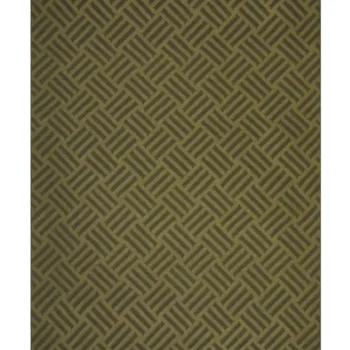
Elegant Cross-Hatch Pattern Inspired by African Braids
Inspired by traditional African braiding techniques, the refined cross-hatch design brings texture, rhythm, and cultural depth into your space.
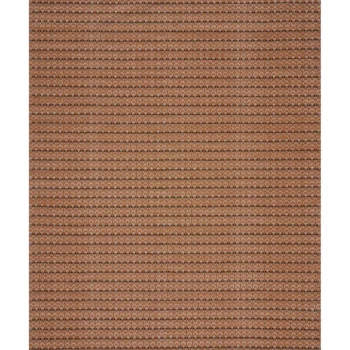
The intricate weave creates a visually engaging surface that adds interest without overwhelming the room. Its neutral, earthy tones allow the rug to blend effortlessly with a wide range of interior styles — from modern minimalism to layered, eclectic spaces.
Designed for Versatility & Timeless Appeal
The Braids Rug is designed to elevate interiors with quiet sophistication.
✔ Living rooms – Anchor seating areas with warmth and texture
✔ Bedrooms – Add softness and visual depth underfoot
✔ Dining areas – Create an elegant foundation for everyday living
✔ Entryways – Introduce artisanal character from the moment you enter
Lightweight yet robust, the rug is easy to reposition and ideal for layering with other natural textures.
Eco-Friendly & Ethically Crafted
Handwoven from natural fibres, the Braids Rug is a responsible choice for environmentally conscious homes.
✔ Supports traditional artisan weaving communities
✔ Reduces reliance on mass-produced textiles
✔ Uses natural, biodegradable fibres
Choosing this rug means investing in craftsmanship that respects both people and the planet.
Care & Maintenance – Care Guide
Caring for your Braids Rug is simple:
Vacuum regularly using a low-suction setting
Blot spills immediately with a clean, dry cloth
Avoid harsh chemicals or excessive moisture
Professional cleaning is recommended for deep cleaning
With proper care, this rug will retain its beauty and structure for years to come.
Why Choose the Braids Rug?
✔ Handwoven craftsmanship — each piece is unique
✔ Premium wool-cotton blend — soft, breathable, and durable
✔ Timeless cross-hatch design inspired by African braids
✔ Neutral palette for versatile styling
✔ Eco-conscious, ethically made
✔ Suitable for both contemporary and classic interiors
Transform Your Home with the Braids Rug
More than a floor covering, the Braids Rug is a celebration of heritage, artistry, and refined design. Whether used as a subtle foundation or a statement piece, it brings warmth, texture, and authenticity into your home — a timeless expression of handcrafted beauty.


Reviews
There are no reviews yet.