Is It Unhealthy to Have Rugs and Carpets in the House?
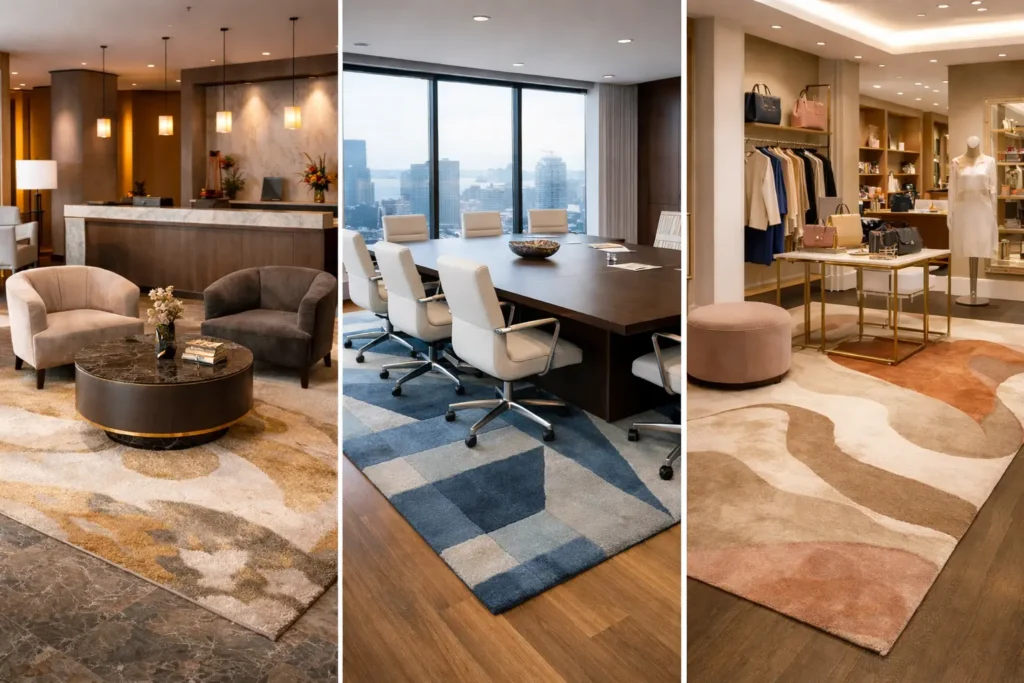
Rugs and carpets have long been foundational elements of interior architecture, adding essential warmth, acoustic balance, and structural grounding to living spaces. However, their potential impact on indoor air quality and health frequently sparks debate among homeowners, interior designers, and wellness professionals.
Is having a rug in the house truly unhealthy? The short answer is no—but the nuance lies entirely in the materials you choose and how they are maintained. By understanding the vast difference between mass-produced synthetic carpets and bespoke, natural fibre rugs, you can make informed design choices that ensure your home remains a healthy, refined sanctuary.
The VOC Problem: Synthetic Carpets vs. Natural Bespoke Craftsmanship
One of the primary health concerns surrounding new carpets is the release of Volatile Organic Compounds (VOCs). Mass-produced, synthetic carpets (often made from petroleum-based plastics like nylon or polyester) and their accompanying chemical adhesives can off-gas VOCs such as formaldehyde. This can contribute to indoor air pollution, causing headaches or respiratory irritation.
This is where the distinction between off-the-shelf carpets and bespoke craftsmanship becomes critical. High-end, made-to-order rugs prioritize natural materials and meticulous construction. For example, our luxury hand-tufted rugs, expertly crafted by our specialist manufacturing partners, and our bespoke hand-knotted pieces, rely on natural fibres and premium backing methods. By investing in artisan-crafted pieces over industrial synthetics, you drastically reduce the introduction of harsh chemicals into your home environment.
The Allergen Myth: Why Wool is Actually Hypoallergenic
A common misconception is that all rugs are terrible for allergy and asthma sufferers because they “trap” dust, pollen, and pet dander. While it is true that rugs hold onto particles, this can actually be an advantage.
Hard floors—like tile, polished concrete, or hardwood—allow dust and allergens to become easily airborne with every footstep or draft, keeping them in your breathing zone. A natural fibre rug acts as a passive air filter. Premium fibres, particularly New Zealand Merino wool, naturally trap and hold these fine particles within the pile, keeping them out of the air you breathe until they are safely removed through vacuuming.
Furthermore, high-quality wool is inherently hypoallergenic. It features microscopic scales that hold dust at the surface, and its natural lack of moisture resistance deters dust mites, which thrive in damp, synthetic environments.
Moisture, Mould, and Breathability
In poorly ventilated or high-humidity environments, moisture retention can lead to mould and mildew growth, which poses a genuine respiratory risk. Synthetic carpets trap moisture beneath their impermeable backings, creating a breeding ground for bacteria.
Natural, organic fibres breathe. Materials like wool, jute, and bamboo silk naturally regulate moisture, absorbing dampness from the air and releasing it when the atmosphere dries. This natural breathability significantly reduces the risk of mould, provided the rug is cared for correctly and spills are addressed promptly.
The Hidden Health Benefits of Luxury Rugs
Beyond air quality, properly specified rugs offer tangible physical and mental health benefits:
- Acoustic Wellness: Modern homes often feature large open-plan layouts with hard, reverberating surfaces. A dense rug absorbs ambient noise, creating a calmer, quieter environment that actively reduces auditory stress and fatigue.
- Ergonomic Comfort: Soft, structural surfaces reduce the kinetic impact on joints. A dense pile offers subtle anti-fatigue benefits, providing comfort for extended periods of standing or walking.
- Thermal Insulation: Natural fibres are exceptional insulators. They help regulate room temperatures, retaining warmth during colder months and reducing the reliance on artificial heating.
Mitigating the Risks: Maintaining Healthy Rugs
The healthiness of a rug is directly tied to its maintenance. To preserve both the aesthetic and hygienic integrity of your luxury pieces, consider the following routine:
- Suction-Only Vacuuming: Vacuum regularly using a machine equipped with a HEPA filter to capture fine allergens. When vacuuming delicate materials like bamboo silk loop piles, always turn off the rotating beater bar and use a suction-only setting to prevent damaging the fibres.
- Professional Hand-Washing: Avoid harsh chemical carpet cleaners and hot water extraction systems, which can strip natural dyes and damage organic fibres. Instead, invest in professional hand-washing every 12 to 24 months by specialists who understand bespoke rug construction.
- Control Humidity: Maintain a well-ventilated space to support the natural breathability of your rugs.
- Premium Underlays: Use a high-quality, breathable underlay. This not only adds luxurious cushioning underfoot but also allows air to circulate beneath the rug, preventing trapped moisture.
Conclusion: A Considered Choice
Rugs and carpets are not inherently unhealthy. The health risks associated with floor coverings almost exclusively stem from cheap synthetic materials, chemical adhesives, and poor maintenance.
When you specify a bespoke, natural fibre rug—whether a plush New Zealand Merino wool statement piece or a flatwoven organic runner—you are investing in more than just interior aesthetics. You are choosing a breathable, hypoallergenic, and low-toxin foundation that actively contributes to a quieter, warmer, and healthier home.
Frequently Asked Questions
Common questions regarding indoor air quality, rug maintenance, and selecting the healthiest flooring options for your home.
Are rugs really bad for people with allergies?
Not necessarily. While low-quality, synthetic carpets can trap allergens, high-quality natural fibre rugs—particularly premium New Zealand Merino wool—can actually improve air quality. They act as passive filters, trapping dust and allergens in the pile so they don’t become airborne, provided you vacuum regularly with a HEPA filter.
Should I choose hard flooring over rugs for health reasons?
Hard flooring is easier to sanitize, but it offers no insulation, noise dampening, or joint cushioning. The healthiest approach is often a hybrid: use high-quality, natural fibre rugs in living spaces to gain the comfort and acoustic benefits, while ensuring you maintain them with regular, suction-only vacuuming.
How can I tell if my rug is releasing VOCs?
VOC emissions are most common in mass-produced, synthetic rugs that use petroleum-based materials and chemical adhesives. To avoid this, choose bespoke, artisan-made rugs crafted from natural materials like wool, jute, or sisal, and verify that the manufacturer prioritizes low-toxin production processes.
What is the best way to clean a rug without damaging it?
For routine care, use a vacuum with a HEPA filter on a suction-only setting to avoid damaging the fibres. For spills, blot immediately—do not scrub—and use a mild, pH-neutral wool detergent. We recommend professional hand-washing every 12–24 months rather than using aggressive industrial carpet cleaners.