The Ultimate Natural Fibre Rug Care & Maintenance Guide
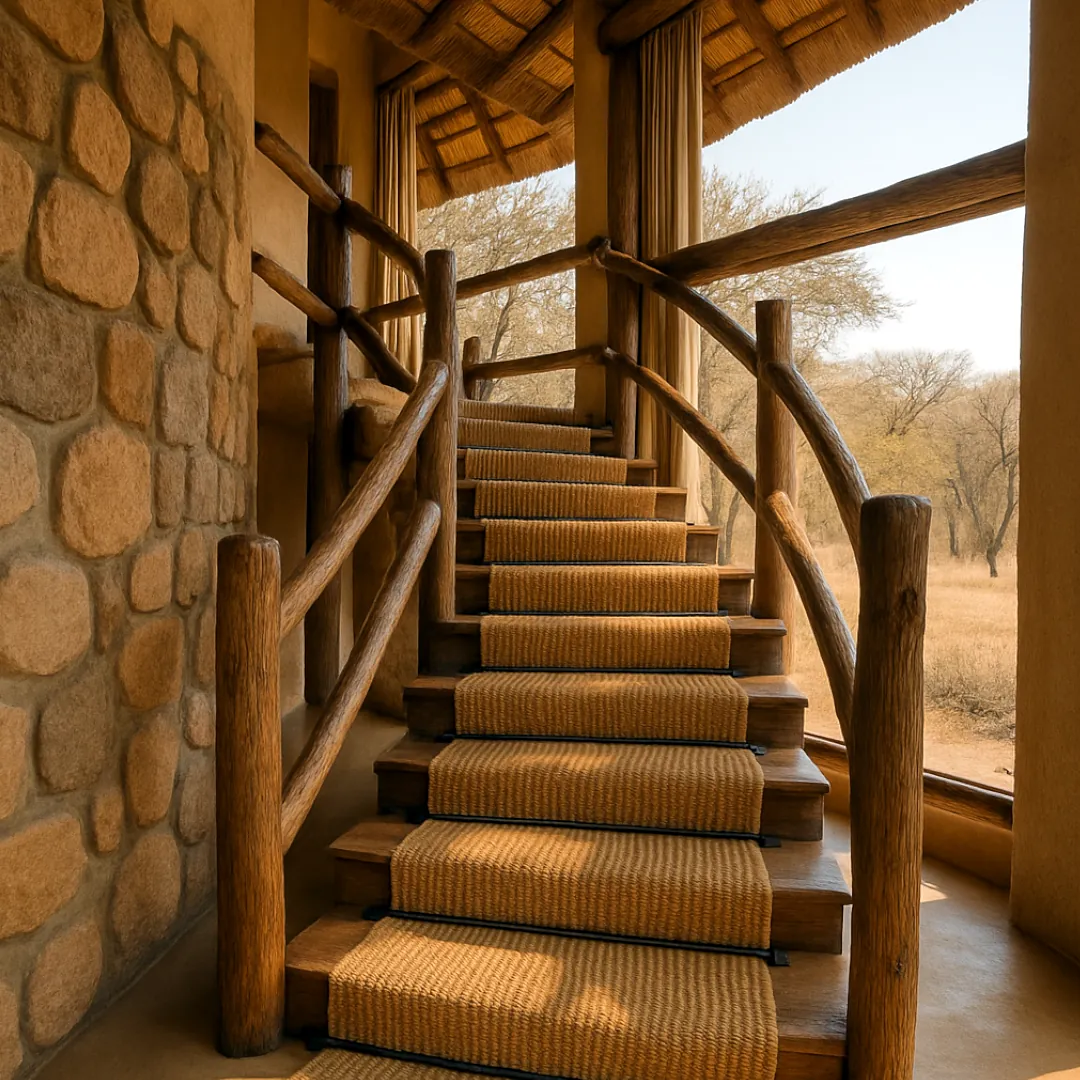
Natural fibre rugs—including jute, sisal, seagrass, coir, and hemp—sit at the very heart of sustainable, high-end interior architecture. They offer an unmatched tactile texture, an earthy colour palette, and a grounded, organic aesthetic that flawlessly supports everything from minimalist “Quiet Opulence” to coastal villas and modern safari lodges.
However, because these textiles are woven from raw, organic plant materials, they possess a highly hygroscopic and absorbent molecular structure. To prevent fibre swelling, structural warping, and irreversible discolouration, their maintenance routine demands a strictly moisture-conscious, dry-cleaning discipline. To ensure your investment retains its structural form and raw beauty for years to come, adhere to this definitive professional care guide.
Understanding the Material Science of Plant Fibres
All natural plant fibres share distinctive cellular traits that dictate how they perform under pressure and interact with their environment:
- High Cellular Absorbency: Plant-based strands function like natural sponges, soaking up atmospheric moisture and liquids instantly. Saturated fibres undergo cell-wall expansion and structural tension changes, which can lead to severe rippling, shrinkage, or the dark, patchy stains known as “cellulosic browning.”
- Rigid Structural Splitting: While remarkably robust against vertical foot traffic friction, these stiff strands lack the natural elasticity of wool. Over-flexing, aggressive scrubbing, or sharp impacts will crack the fibres, leading to premature fraying along the joints.
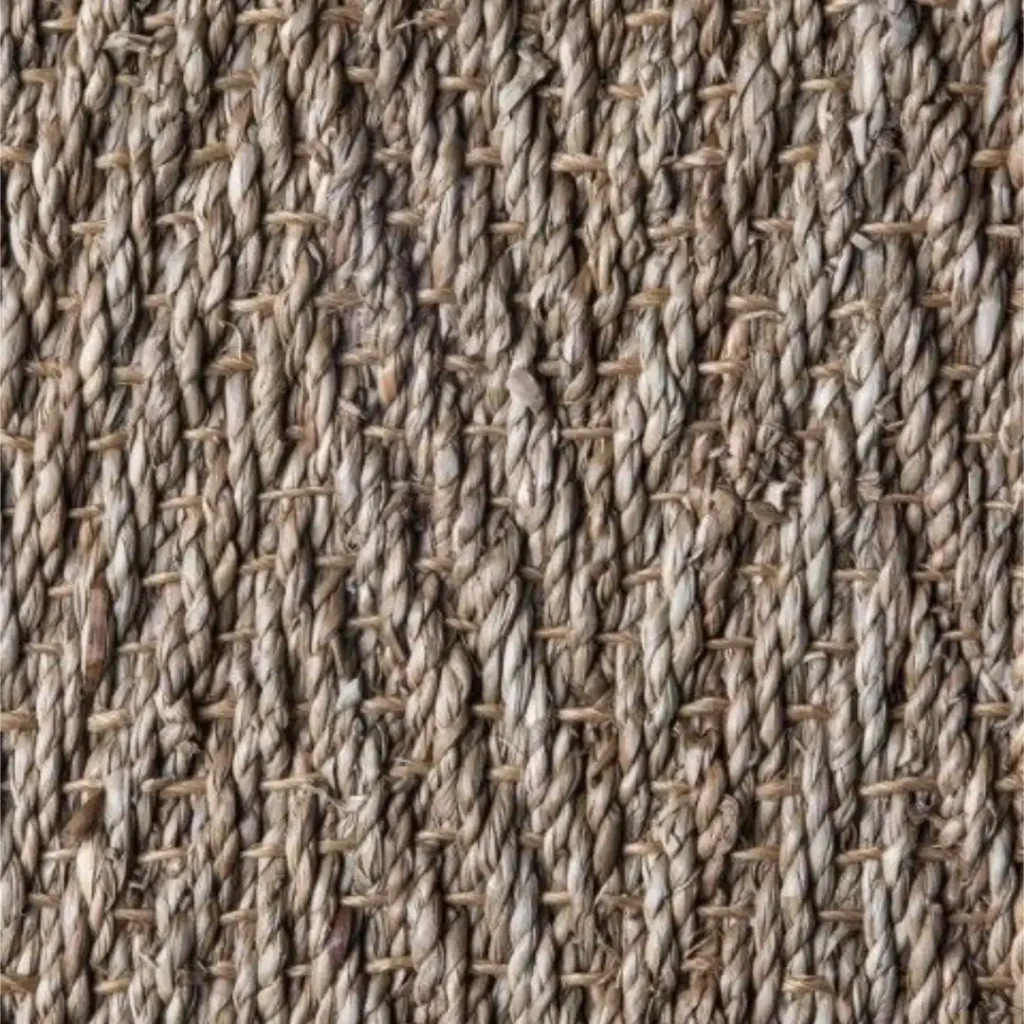
- Textural Trap Pockets: The deep, architectural valleys created by handwoven or flatwoven patterns are highly efficient at concealing surface dust. However, they also act as traps for sharp, microscopic sand particles that can cut the structural yarns from within if not extracted.
Phase 1: Routine Maintenance & Fibre Preservation
A disciplined, dry-extraction routine is the absolute foundation of a natural fibre rug’s longevity.
- The High-Suction, Suction-Only Vacuum Rule: Vacuum your rug once or twice a week utilizing a suction-only setting. Never use a rotating brush attachment or a mechanical beater bar. The aggressive friction of spinning bristles will split the rigid plant loops, causing excessive fuzzing and permanently breaking down the structural tips of the yarn.
- Multi-Directional Cleaning Pass: Pass the vacuum nozzle slowly both with and across the direction of the weave. This multi-directional technique is non-negotiable for drawing out the sharp, abrasive sand particles that settle deep into the tight joints of a handwoven matrix.
- Underside Maintenance: Periodically flip the rug to vacuum the backing matrix and the underlying floorboards. This prevents trapped grit from grinding against the subfloor and wearing away the rug’s structural foundation from beneath.
- Rotational Protocol: Rotate your rug 180 degrees every few months to ensure that physical foot traffic wear patterns and natural UV sunlight exposure are distributed evenly across the expanse.
- Underlay Specification: Always anchor your rug with a premium, breathable crumbed rubber underlay (3mm or 5mm). The underlay acts as a vital shock absorber, protects the underside of the weave from grinding friction, and promotes crucial airflow beneath the textile.
Phase 2: Precise Spot Cleaning & Spill Interventions
Because of plant fibre’s extreme absorbency, the absolute law of spot cleaning is: act instantly, extract completely, and minimize liquids.
- Firm Extraction: Immediately place a clean, undyed white cloth or heavy-weight paper towel directly over the spill. Apply maximum downward pressure to draw the liquid up into the towel. Never rub, scrub, or scrape the spot; friction will tear the damp plant fibres and permanently warp the weave.
- Formulate a Low-Moisture Acidic Solution: If the spill involves a water-soluble staining pigment, lightly dampen a clean cloth with a 1:1 solution of white vinegar and cold water. The mild acidity of white vinegar helps neutralize potential staining compounds without causing the alkaline browning reaction that pure water triggers in plant materials. Dab the area with absolute caution.
- Absorb Oil-Based Contaminants: For oil, grease, or food spills, generously sprinkle cornflour, talcum powder, or baking soda directly over the area. Allow the powder to sit for several hours or overnight to draw the lipids out of the organic stalks, then remove it using multiple suction-only vacuum passes.
- Accelerated Desiccation: Once cleaned, immediately sandwich the damp section between dry towels to extract remaining moisture. Position a floor fan directly over the spot to dry the fibres as rapidly as possible, minimizing the risk of dark water marks or mildew.
Phase 3: Managing Ambient Odours and Everyday Soil
- Deodorizing Without Liquids: Never use water-based fabric refreshers, liquid sprays, or steam mops on plant fibres. Instead, lightly sprinkle dry bicarbonate of soda evenly across the surface. Allow it to sit for 20 to 30 minutes to naturally absorb moisture and ambient odours, then vacuum thoroughly. This is highly recommended for coastal environments or humid seasons where natural fibres can hold a musty scent.
Phase 4: Architectural Placement and Protection
To protect the structural integrity of your organic flatweave, thoughtful spatial placement is key:
- Avoid High-Humidity Zones: Never specify a natural plant fibre rug for bathrooms, laundry rooms, uninsulated basements, or exposed outdoor patios where moisture levels cannot be regulated.
- The Layering Strategy: Natural flatweaves make an exceptional visual base layer. For added softness in living rooms or bedrooms, layer a smaller, plush hand-tufted wool statement rug or an authentic Nguni hide directly over the center of the organic flatweave.
- Furniture Protection: Avoid placing sharp or unpadded furniture feet directly onto the weave. Always add high-density felt pads or coasters beneath heavy legs to prevent structural crushing and fiber shearing.
⚠️ Professional Care Disclaimer
The guidance provided in this guide is intended for routine preservation and minor, immediate spot intervention. Because organic plant fibres are highly sensitive to moisture, standard industrial carpet cleaning, hot-water extraction, or home steam machines can cause permanent browning, severe structural shrinkage, and irreversible water spotting. For severe, large-scale, or deeply embedded stains, always consult a certified rug cleaning specialist who specializes explicitly in low-moisture or dry-compound hand-washing methods. Woven Bliss assumes no liability for structural damage resulting from incorrect home treatments.
Final Thoughts: Craftsmanship That Endures
When handled with a disciplined, dry approach, a bespoke natural fibre rug is an investment that ages beautifully, developing a rich, organic patina without losing its structural form. By controlling moisture exposure and practicing suction-only care, you preserve a sustainable focal point that brings timeless sophistication to your interior.
Need further advice on specifying or maintaining your natural foundations? Explore our comprehensive Rug Care Guide or book a Free Consultation with Woven Bliss today to discuss our curated collections.