Natural Fibre Rugs Explained: Jute, Sisal, Seagrass, Coir & Hemp Compared

Natural fibre rugs are having a moment — but their appeal goes deeper than trend. They bring warmth, texture, and a grounded, organic quality that synthetic materials often struggle to replicate. In South African homes especially, where interiors frequently blend indoor comfort with natural materials, stone, timber, linen, and layered neutrals, natural fibre rugs feel quietly timeless.

But while they are often grouped together under one broad label, not all natural fibre rugs behave the same way. Jute, sisal, seagrass, coir, and hemp each have their own texture, strength, finish, and ideal setting. One may feel softer underfoot, while another is better suited to heavy foot traffic. Some work beautifully in relaxed living areas, while others are more practical for entrances, hallways, or stair runners.

If you are trying to decide which natural fibre rug is best for your space, the answer depends on how the room is used, the look you want to achieve, and how much durability you need day to day.


What Are Natural Fibre Rugs?

Natural fibre rugs are made from plant-based materials rather than synthetic fibres. They are valued for their earthy texture, visual depth, and often understated colour palette. Instead of bold printed finishes or high-shine surfaces, they tend to offer a more tactile, organic look that works beautifully in both contemporary and classic interiors.

At Woven Bliss, natural fibre rugs are especially appealing for homeowners and designers seeking a more layered, textural finish. They pair effortlessly with wood, brass, stone, boucle, linen, and other materials associated with calm, elevated interiors.

The five most common options are jute, sisal, seagrass, coir, and hemp. Each offers a different balance of softness, resilience, maintenance, and style.

For more information check out: https://www.britannica.com/topic/natural-fiber


Jute Rugs: Best for Softness and Relaxed Warmth

Jute is often the first material people think of when they picture a natural fibre rug. It has a softer, more casual feel than many of the other plant-based options, making it one of the most comfortable natural fibres underfoot.

Jute rugs typically have a warm, slightly chunky texture that works beautifully in relaxed living rooms, bedrooms, and low-traffic spaces where comfort matters. They suit interiors that lean organic, coastal, modern rustic, or quiet luxury — especially when you want the rug to add softness rather than structure.

The main limitation of jute is durability. While it is attractive and inviting, it is not usually the best choice for very high-traffic areas, damp spaces, or homes where spills are frequent. It is better suited to decorative warmth than heavy-duty performance.

Jute is a strong choice if you want:

  • a softer natural fibre feel
  • a warm, casual look
  • a rug for bedrooms or calmer living areas
  • a more relaxed texture in a neutral palette
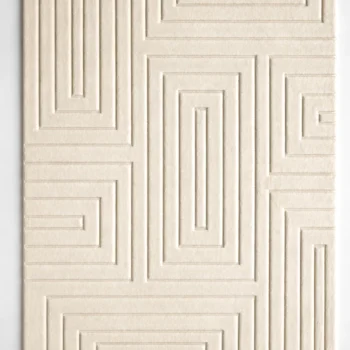
Chopsticks rug in bright lounge

For a guide on how to care for your Jute rug or runner: https://www.wovenbliss.co.za/jute-rug-care-guide/


Sisal Rugs: Best for Durability and Structure

Sisal is one of the most hard-wearing natural fibre rug materials available. Compared with jute, it feels firmer and more structured underfoot, which makes it ideal for busier parts of the home.

This is often the natural fibre people choose when they want performance as much as style. Sisal rugs work particularly well in hallways, entrances, stair runners, dining rooms, and family living spaces where a rug needs to stand up to regular use. Its woven finish tends to look clean, tailored, and architectural, making it a favourite for more polished or minimalist interiors.

Because sisal is firmer, it may not feel as soft or cosy as jute in spaces where barefoot comfort is the top priority. But when durability is the main concern, sisal is often one of the strongest contenders.

Sisal is a strong choice if you want:

  • a durable rug for high-traffic areas
  • a more tailored, structured appearance
  • a natural fibre option for hallways or stairs
  • a practical finish for busy homes
Installing Natural Fibre Stair Runners.  Sisal also make beautiful Natural fibre rugs.

For a guide on how to care for your sisal rug or runner: https://www.wovenbliss.co.za/sisal-rug-care-guide/


Seagrass Rugs: Best for Everyday Practicality

Seagrass has a smoother surface and a distinctive natural sheen, which gives it a slightly different look from jute or sisal. It often feels less coarse than sisal and more structured than jute, sitting somewhere in the middle in terms of comfort and practicality.

One of seagrass’s biggest advantages is that it tends to cope well with everyday use. Its tight weave and relatively smooth finish make it a popular option for dining areas, living rooms, and homes where low-fuss practicality matters. It also has a naturally understated coastal or organic-modern feel that works well in neutral interiors.

Its colour range is usually more limited than other fibres, often staying within olive, sand, khaki, or earthy green-beige tones. That can be a strength if you want a natural, authentic look, but it offers less decorative variety than some other materials.

Seagrass is a strong choice if you want:

  • a practical natural fibre rug for daily living
  • a smoother, less chunky texture
  • a subtle coastal or organic aesthetic
  • an option for dining rooms or busy multipurpose areas
seagrass herringbone

For a guide on how to care for your Natural fibre rug or runner: https://www.wovenbliss.co.za/natural-fibre-rug-care-guide/


Coir Rugs: Best for Rugged Texture and Hard-Wearing Use

Coir is made from coconut husk fibre and is one of the roughest and most rugged natural materials used in rugs and mats. It is best known for its durability and robust texture rather than softness.

Because of its coarse feel, coir is not usually the first choice for a luxurious bedroom or a soft lounge setting. Instead, it shines in more functional applications — entrance mats, utility areas, boot rooms, and outdoor-facing spaces where resilience matters more than comfort. It brings a raw, earthy character that works particularly well in rustic, heritage, or highly textural interiors, especially where you want the rug to feel as honest and unfinished as the materials around it.

For clients who love natural materials and want something hard-wearing with a distinctly organic feel, coir can be very effective in the right setting. Be realistic about its texture, though — this is not the fibre you choose for plush comfort.

Coir is a strong choice if you want:

  • a durable rug or mat for tougher-use spaces
  • an earthy, rustic texture
  • strong performance near entrances or utility areas
  • a highly natural, raw visual finish
Coir entrance mat South Africa

Hemp Rugs: Best for Balanced Performance and Eco-Conscious Style

Hemp rugs are less common than jute or sisal, but they deserve more attention. Hemp offers an appealing middle ground: it tends to be stronger than jute, more comfortable than coir, and visually versatile enough to suit a wide range of interiors.

Its texture is often slightly more refined than very coarse natural fibres, which makes it attractive for homeowners who want a material that feels organic without appearing overly rustic. Hemp also appeals to buyers who are drawn to plant-based, lower-impact materials and want a rug that balances aesthetics with practical longevity.

In design terms, hemp works beautifully in contemporary natural interiors, relaxed luxury spaces, and homes that combine artisan character with restraint.

Hemp is a strong choice if you want:

  • a balanced natural fibre option
  • better durability than softer fibres
  • an understated, elegant texture
  • an eco-conscious look and feel
hemp boucle silver

Which Natural Fibre Rug Is Best for Each Room?

The easiest way to choose is to start with the room, not the material.

Living room: The best option depends on how formal or busy the space is. Jute works beautifully in softer, quieter living rooms where warmth and comfort are key. Sisal and seagrass are better choices where the room sees heavier daily use.

Bedroom: Jute is often the most comfortable choice for bedrooms because it feels softer and more inviting underfoot. Hemp can also work well here if you want a slightly more durable natural fibre with a similar organic appeal.

Hallway: Sisal is usually one of the strongest options for hallways because it handles foot traffic so well. Seagrass can also work effectively in busy passage areas.

Dining room: Seagrass and sisal are often practical choices for dining rooms because they feel more structured and resilient. Jute can be used, but it may be less forgiving in very busy households.

Staircase: Sisal is one of the most suitable natural fibres for stair runners due to its durability and firm woven structure. This makes it especially attractive when paired with decorative hardware such as brass or stainless steel stair rods.

Entrance or utility area: Coir is particularly effective in entrances and tougher-use zones where texture, resilience, and a natural look matter most.


Natural Fibre Rugs in Homes With Pets or Children

For busier households, durability usually takes priority over softness. Sisal and seagrass are often the more practical choices because they are better suited to daily movement, chair legs, and more frequent wear. Jute, while beautiful, is generally better in spaces with gentler use.

The best answer is not just about the fibre itself, though. The weave, backing, room placement, and how the rug is used all play a role. A natural fibre rug in a formal sitting room will perform very differently from the same rug in a busy family dining area.

For households with children or pets, it is worth prioritising:

  • a tighter, more durable weave
  • rooms where maintenance is manageable
  • shades and textures that are forgiving in daily life
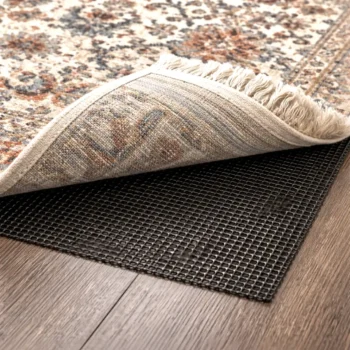
  • the right rug underlay for stability and longevity

How to Choose the Right Natural Fibre Rug

Ask yourself a few practical questions before you decide:

  • Is this a high-traffic or low-traffic area?
  • Do I want softness or structure?
  • Is comfort underfoot important here?
  • Will the rug sit under furniture, under a dining table, or in a walkway?
  • Am I choosing for practicality, appearance, or both?

If softness is your priority, start with jute. If durability matters most, look at sisal. If you want a practical all-rounder, consider seagrass. If you need something rugged for harder-use spaces, coir makes sense. If you want an organic material with a balanced feel, hemp is a compelling option.

In many cases, bespoke sizing also makes a major difference. A natural fibre rug can look far more elevated when it is properly scaled to the room rather than treated as an afterthought.


Final Thoughts

There is no single best natural fibre rug for every home — and that is part of what makes the category so interesting. For many South African homes, the best result comes from selecting the material room by room rather than using the same fibre throughout. Bedrooms may benefit from the softness of jute, while stairs and hallways often need the resilience of sisal. Living spaces may call for the practicality of seagrass, while entrance zones can benefit from the toughness of coir.

Natural fibre rugs are at their best when chosen intentionally. When the material, scale, and placement all work together, they bring a room a level of depth and texture that feels effortless, elevated, and lasting.

At Woven Bliss, we work with clients to find the right fibre for the right room — whether that means a single statement piece or a considered selection across the whole home. Browse our natural fibre rug range or get in touch to talk through your space.

Frequently Asked Questions

Is jute softer than sisal?

Yes. Jute is generally softer and more relaxed underfoot than sisal, which tends to feel firmer and more structured.

Which natural fibre rug is best for high-traffic areas?

Sisal is often one of the best choices for high-traffic areas such as hallways, stair runners, and entrances due to its durability.

Are seagrass rugs good for everyday use?

Yes. Seagrass rugs are often chosen for their practicality, smooth texture, and suitability for busy living spaces.

Is coir a good material for full-room rugs?

Coir is usually better suited to entrance areas, utility spaces, or mats rather than rooms where softness underfoot is important.

Are hemp rugs durable?

Hemp is generally considered a durable natural fibre and can be a good option for homeowners seeking a balance between performance and organic texture.

What is the best natural fibre rug for a bedroom?

Jute is often one of the best choices for bedrooms because it feels softer and warmer underfoot.

What is the best natural fibre rug for stairs?

Sisal is one of the strongest natural fibre options for stair runners because of its hard-wearing woven structure.

Shopping Basket
Contact Woven Bliss
Email info@wovenbliss.co.za
📞
Call us +27 81 704 9273
🟢
WhatsApp Chat with us
Scroll to Top